KASHMIR AS A STRATEGIC FAULT LINE


INTRODUCTION
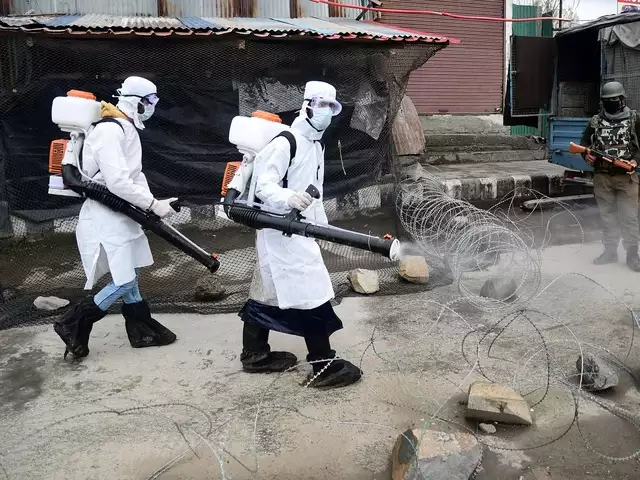
The contemporary global order is witnessing a rapid convergence of unresolved territorial disputes, expanding militarized engagements and competing narratives of legitimacy. Within this evolving environment, Indian Illegally Occupied Jammu and Kashmir (IIoJK) stands as a central yet persistently under-addressed conflict zone where political denial, securitized governance and structural coercion continue to shape everyday life. Since 1989, the region has undergone a sustained transformation into a heavily controlled space marked by extensive militarization, legal exceptionalism and the systematic restriction of civil and political expression.
The scale of recorded violence, prolonged detentions, enforced disappearances and destruction of civilian property demonstrates a long-standing pattern of governance anchored in control rather than
consent. At the same time, recent global crises from Gaza to the Iran–Israel confrontation have intensified questions around occupation-driven conflict models and their international normalization. The repeated use of force as a primary instrument of state policy, combined with selective accountability within the international system, has created conditions where protracted disputes remain unresolved while new theatres of escalation emerge. In this broader setting, Kashmir is not an isolated territorial question but a structural fault line within a nuclearized regional order.
This document examines these interlinked dynamics through a multi-layered framework, assessing militarization, demographic restructuring, strategic infrastructure development, regional alignments and competing diplomatic postures. It situates Kashmir within a wider pattern of conflict management failure where short-term stabilization narratives obscure long-term instability. The central argument advanced is that unresolved political disputes, when combined with high militarization and restricted civic agency, generate persistent escalation risks that extend beyond regional boundaries and shape broader global security outcomes.
Scale of Violence, Massacres and Human Cost Since 1989
The trajectory of violence since 1989 is marked not only by sustained fatalities but also by a series of widely documented massacres that have shaped collective memory in the region. Incidents such as the Gawkadal massacre, where over 50 civilians were killed during a protest in Srinagar by Indian troops, the Handwara massacre, where around 20 to 25 civilians lost their lives and the Kupwara massacre, where more than 40 civilians were killed by Indian occupation forces, reflect early patterns of excessive force against unarmed populations. The Bijbehara massacre, which resulted in approximately 40 to 50 civilian deaths at the hands of Indian troops and the Sopore massacre, where between 40 and 60 civilians were killed alongside widespread destruction of property by Indian forces, further demonstrate the scale at which civilian lives and livelihoods were systematically targeted.

From January 1989 to February 2025, a total of 96,489 killings have been recorded. Within this, 7,415 killings occurred in custody or through staged encounter scenarios carried out by Indian occupation forces, pointing to a pattern where lethal force is exercised outside the bounds of due process. These figures do not stand in isolation but are part of a broader continuum of violence that has persisted for over three decades under conditions of prolonged military control. Enforced disappearances remain one of the most distressing aspects of the conflict. Estimates indicate that more than 8,000 individuals have been forcibly disappeared since 1989, many last seen in the custody of Indian troops or associated agencies. This has created a prolonged humanitarian crisis, particularly for families left without closure or legal recourse. The phenomenon of “half-widows” continues to define the lived reality of thousands of women who remain uncertain about the fate of their spouses.
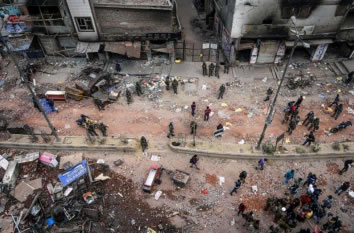
Investigations into mass graves have further deepened concerns. Surveys conducted across multiple districts have identified over 2,700 unmarked graves containing nearly 2,900 bodies, many of which remain unidentified. The existence of these graves raises serious questions regarding custodial deaths, undocumented killings and the systematic concealment of evidence by Indian occupation structures. Mass detention has functioned as a parallel tool of control. 180,109 civilians have been arrested since 1989, often without transparent legal processes, largely under laws enforced by Indian authorities. Alongside this, 110,563 homes and civilian structures have been destroyed or damaged during operations conducted by Indian troops, reflecting patterns of collective punishment that extend beyond individuals to entire communities.
The social consequences are profound. 22,991 women have been widowed and 108,007 children have been orphaned, embedding long-term trauma within the societal fabric. Gender-based violence further highlights systemic abuse, with 11,269 women subjected to gang rape or molestation by Indian forces, pointing to the use of sexual violence as a means of intimidation and control.
Post-August 5, 2019: Legal Reconfiguration and Intensified Control
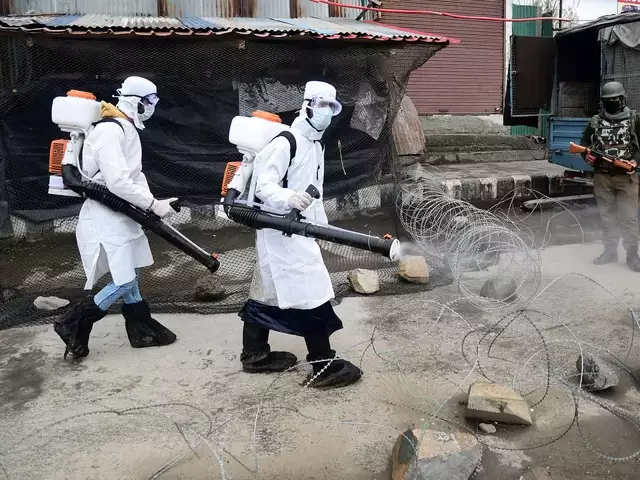
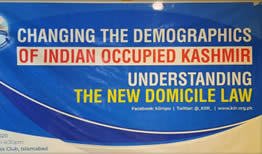
The period following August 5, 2019 represents a decisive phase of intensified control, triggered by the unilateral actions of the BJP-led Government of India, which revoked Article 370 and Article 35A of the Constitution of India and forcibly restructured the region into two Union Territories. This move marked a significant shift toward a more direct and centralized form of governance, widely viewed as part of a broader Indian colonial policy framework aimed at consolidating territorial control rather than addressing the political aspirations of the Kashmiri population. An unprecedented enforcement regime accompanied this political re-engineering. A complete communications blackout was imposed, severing internet and telecommunication access for months and isolating the population from the outside world. Curfews and sweeping restrictions on movement transformed everyday life into a controlled and monitored environment. The deployment of more than 90,000 additional Indian troops further intensified the militarization of civilian spaces, reinforcing an already dense security presence. The J&K government states that over 83,000 individuals, who were not originally permanent residents, have been granted domicile certificates since 2022, raising concerns about demographic changes in a region recognized as disputed under the framework of the United Nations Security Council resolutions.
Mass preventive detentions became a central instrument of control under these policies. More than 5,000 political leaders, activists and lawyers were detained without charge, including mainstream pro-India political figures such as Mehbooba Mufti and Omar Abdullah. Many remained incarcerated for extended periods under the Jammu and Kashmir Public Safety Act (PSA), a law that allows detention without trial. These measures reflect a governance approach rooted in coercive legal frameworks, where laws are operationalized not as safeguards of rights but as tools of political suppression. Within this environment of legal and administrative reconfiguration, patterns of violence persisted. From August
2019 to February 2025, 1,056 killings have been recorded, including 291 custodial or staged encounter deaths.
Additionally, 2,661 individuals have been tortured or critically injured, indicating the continued reliance on coercive practices. During this period, 33,170 civilians have been arrested, often under preventive detention frameworks and laws such as the Unlawful Activities (Prevention) Act, which significantly limit access to bail and due process. The targeting of civilian infrastructure has continued, with 1,169 incidents of arson involving homes and shops, further destabilizing livelihoods and deepening economic vulnerability. The human toll remains severe, with 83 women widowed, 232 children orphaned and 139 reported cases of gang rape and molestation, reflecting the ongoing vulnerability of civilian populations. Despite official claims of “normalcy,” these figures illustrate a post- 2019 reality defined not by stabilization but by intensified control, expanded detention practices and sustained human rights violations.
Legal Instruments of Control: UAPA and PSA
The persistence of these patterns is reinforced through laws such as the Unlawful Activities (Prevention) Act (UAPA) and the Jammu and Kashmir Public Safety Act (PSA). These laws enable prolonged detention without trial, often on vague or broadly defined grounds. The PSA allows detention for up to two years without formal charges, while repeated detention orders undermine judicial relief. Under UAPA, individuals can face extended incarceration with limited access to bail, turning the legal process itself into a mechanism of punishment. The application of these laws has extended to journalists, political figures and civil society actors, significantly shrinking the space for dissent and public discourse.
Unimplemented UN Resolutions on IIoJK
The question of IIoJK has been on the agenda of the United Nations Security Council since 1948, with a series of resolutions including 47 (1948), 80 (1950), 91 (1951) and later 122, 123 and 126, which collectively called for a ceasefire, withdrawal of military presence and the establishment of conditions conducive to a free and impartial plebiscite under UN auspices. These resolutions, read together, outlined a political process premised on self determination, yet their implementation has remained stalled due to divergent interpretations by the concerned parties, particularly regarding demilitarisation and sequencing of obligations.
In parallel, various UN human rights mechanisms have continued to engage with the situation. The Office of the High Commissioner for Human Rights (OHCHR), in its 2018 and 2019 reports on the human rights situation in IIoJK, highlighted serious concerns regarding excessive use of force, restrictions on fundamental freedoms and called for unfettered access for independent investigations. Furthermore, communications from UN Special Procedures mandate holders, including Special
Rapporteurs on extrajudicial executions, freedom of expression and minority issues, have repeatedly transmitted allegations and requests for information to the Government of India concerning reported human rights violations, use of security laws and limitations on civil liberties in the region. Despite these engagements, the absence of sustained independent monitoring access has been a recurring concern noted within UN communications. India, for its part, maintains that Jammu and Kashmir is an integral and internal matter, rejecting external adjudication, while UN references continue to treat the issue within the framework of unresolved disputes and ongoing human rights scrutiny affecting the broader region of Kashmir region, South Asia.
FALSE FLAG OPERATIONS AND THE ARCHITECTURE
OF CONTROL IN IIOJK
Pahalgam: A Convenient Pretext
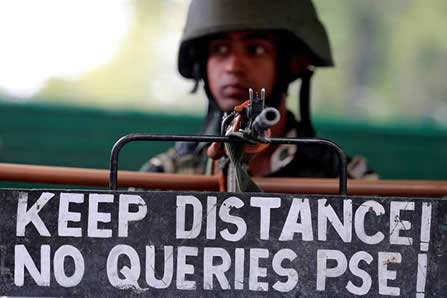
The attack in Pahalgam on 22 April 2025, which killed at least 26 civilians, was immediately framed within a familiar script. Before any independent investigation could begin, blame was swiftly assigned beyond the borders and the incident was projected as an external security breach. This rapid attribution raises a serious contradiction. For years, India has insisted that “normalcy” has been restored in IIOJK, claiming complete control through one of the heaviest military deployments in the world. Every town is saturated with checkpoints, surveillance grids and armed patrols. Movement is tracked, communication is monitored and civilian life is tightly regulated.
In such an environment, the claim that external actors could penetrate deep into civilian zones and carry out an attack without detection strains logic. If total control exists, infiltration becomes implausible. If infiltration is possible, then the claim of normalcy collapses. This contradiction exposes a deeper problem: the narrative is shaped not by evidence but by political necessity.
7KASHMIR AS A STRATEGIC FAULT LINE
What followed Pahalgam was not a measured investigation but a rapid expansion of force. Entire communities were subjected to raids, detentions and surveillance. Young Kashmiris were picked up without charge. Homes were searched without warrants. Instead of identifying perpetrators through due process, the response treated the population itself as suspect. This is where the notion of a false flag dynamic gains relevance not merely as an act of orchestration but as a method of exploiting tragedy to justify pre-planned repression.
Operation Sindoor: External Aggression, Internal Justification
Between 7–10 May 2025, India launched Operation Sindoor, carrying out strikes across Pakistan and Pakistan administered Kashmir. These attacks killed civilians and damaged residential structures. While presented as a counter-terror response, the operation lacked proportionality and violated basic principles of international law governing the use of force. More importantly, Operation Sindoor served a dual purpose. Externally, it projected aggression. Internally, it reinforced the narrative that Kashmir’s unrest is externally driven. By linking every incident to Pakistan, India diverts attention from the political and human rights dimensions of the conflict. It transforms a question of occupation into
a question of terrorism.
This strategy raises a fundamental contradiction. If IIoJK is fully controlled and pacified, as repeatedly claimed, then the persistent invocation of external threats becomes unsustainable. A population living under constant surveillance,
surrounded by military installations, cannot simultaneously be portrayed as both subdued and dangerously volatile due to outside influence. The logic does not hold.
Operations as Instruments of Targeting Kashmiris
Following Operation Sindoor, India launched a series of named military operations across IIOJK, including Operation Mahadev, Operation Shiva, Operation Shiv Shakti, Operation Akhal, and Operation Trishul. These were not isolated responses. They formed a continuous chain of militarized actions, each reinforcing the next, each expanding the scope of control. Under Operation Mahadev (May–July 2025), Indian forces claimed to have tracked suspects for weeks before killing three individuals near Srinagar on 28 July 2025. Families contested these claims, asserting that those killed were civilians. No independent verification was permitted. The operation relied entirely on undisclosed intelligence.
Soon after, Operation Shiva and Operation Shiv Shakti (late July 2025) extended military activity into other regions, particularly the Rajouri–Poonch sector, where additional killings were reported. These operations were presented as successful eliminations, yet again without judicial oversight or public evidence. By early August 2025, Operation Akhal was launched in Kulgam, lasting nearly ten days (2–12 August). This prolonged campaign involved large-scale troop deployment, aerial surveillance and continuous gunfire in forested and nearby civilian areas. During this operation, Haris Nazir Dar, a young man from Pulwama, was killed and labeled a militant. His death, like many others, was never subjected to an independent inquiry.
Simultaneously, Operation Trishul (October–November 2025) expanded militarization beyond IIOJK into broader military posturing along the border. Framed as a “drill,” it functioned as psychological pressure, amplifying war rhetoric and sustaining a climate of fear. These operations share a common pattern: individuals are killed, labeled posthumously and the narrative is closed. There is no trial, no evidence and no accountability. The repetition of such operations suggests not precision but policy a system where force replaces law.
Blame, Control and the Silencing of Kashmir
The cumulative effect of these operations is clear. Kashmiris are targeted on the ground, while Pakistan is invoked in the narrative. This dual strategy allows India to justify repression internally while deflecting criticism externally. It creates a closed loop: violence occurs, blame is assigned, operations are launched and the cycle repeats. In this framework, the Kashmiri civilian is denied agency and rights. He is either a suspect or a statistic. His death is explained, not investigated. His voice is excluded, not heard. The presence of overwhelming military force ensures that any alternative account is suppressed before it can emerge.
The reality, however, is stark. A heavily militarized region cannot produce spontaneous threats of the scale described without raising questions about oversight and intent. When every incident leads to greater control rather than greaterclarity, it becomes difficult to separate security from strategy. What emerges is not a counter-terror model but a system of managed instability where operations are not just responses but instruments. Instruments used to sustain occupation, silence dissent and maintain a narrative that cannot withstand independent scrutiny.
A YEAR OF EXPANDING CONFLICTS: FROM GAZA TO
THE IRAN–ISRAEL CONFRONTATION
Escalation in Gaza
The past year has been defined by a sharp intensification of violence in the Gaza Strip, bringing global attention back to the consequences of prolonged occupation and blockade. Since October 2023, large-scale military operations have
resulted in over 34,000 Palestinian deaths, with a significant proportion comprising women and children. Civilian infrastructure has been extensively targeted, with more than 60 percent of housing units damaged or destroyed,
displacing nearly 1.7 million people within an already densely populated territory. Healthcare systems have collapsed under sustained pressure. Reports indicate that over 70 percent of hospitals have been rendered non-functional, while restrictions on humanitarian access have severely limited the delivery of medical aid, food and fuel. The scale of destruction has triggered widespread food insecurity, with famine like conditions emerging in multiple areas. These developments have reinforced concerns that occupation-driven conflict, when left unchecked, produces not only immediate casualties but also long-term humanitarian collapse.
Escalation in Lebanon and Ceasefire Violations
The situation in Lebanon since February 2026 demonstrates a dangerous escalation marked by widespread civilian harm and growing concerns over violations of international humanitarian law. Following Israeli strikes on Iran on February 28, 2026, Hezbollah launched rocket fire in response, triggering a broader Israeli military campaign inside Lebanese territory. While Israel has framed its operations as targeting Hezbollah infrastructure, the scale and pattern of attacks have extended far beyond military objectives, impacting civilian populations and essential infrastructure across southern Lebanon and parts of Beirut. Recent estimates indicate that over 350 air and artillery strikes have been carried out, resulting in more than 500 civilian casualties and the displacement of approximately 100,000 individuals.
The collapse of the November 2024 ceasefire has intensified this cycle of violence. Despite prior commitments to de-escalation, hostilities resumed with increased intensity, including aerial bombardments and a ground offensive into southern Lebanon. During the Islamabad diplomatic talks held between April 10–12, 2026, Israeli forces reportedly violated a temporary ceasefire arrangement by launching fresh strikes inside Lebanese territory, further undermining fragile diplomatic efforts. Entire villages have been subjected to destruction, with strategies aimed at creating depopulated buffer zones along the border. Such actions have resulted in large-scale displacement of civilians, destruction of homes and disruption of livelihoods, raising serious concerns about collective punishment and forced demographic shifts.
The targeting of densely populated areas under the justification of dismantling armed infrastructure has further blurred the distinction between combatants and civilians. Civilian infrastructure, including residential neighborhoods, agricultural lands and local facilities, has been repeatedly struck, compounding humanitarian distress in already fragile communities. These developments point to a pattern where the principles of proportionality and precaution under international law are increasingly undermined.
Iran–Israel–US Confrontation
Parallel to the crises in Gaza and Lebanon, tensions between Iran and Israel have escalated into direct state confrontation, significantly altering regional dynamics. The turning point can be traced to April 1, 2024, when Israel carried out a strike on the Iranian consular compound in Damascus, killing seven IRGC officials, including two
KASHMIR AS A STRATEGIC FAULT LINE
senior generals, along with additional personnel. The targeting of a diplomatic facility marked a serious escalation and triggered a direct response. Later in April 2024, Iran launched a large-scale retaliatory operation involving over 300 drones and missiles, signaling a decisive shift from indirect engagement to overt state-to-state confrontation. These events laid the foundation for a far more intense phase in 2026, when the United States and Israel initiated coordinated strikes on Iranian territory on February 28, 2026. By April 11, 2026, the conflict had entered its sixth week, with sustained aerial operations targeting critical infrastructure and command networks. The escalation caused thousands of casualties and widespread disruption, while also threatening global energy security. The Strait of Hormuz, through which nearly 20 percent of global oil supply passes, became a central pressure point, with Iran announcing controlled coordination of vessel movement during a proposed ceasefire phase.
Amid this rapidly deteriorating situation, Pakistan undertook a bold and diplomatically assertive initiative, proposing a two-week ceasefire to create space for dialogue. High-level talks were convened in Islamabad from April 10 to 12, 2026, bringing together representatives for mediated engagement. Despite the significance of this effort, the talks concluded without a formal agreement, largely due to continued hostilities and entrenched positions. Notably, while Israel indicated a temporary pause in strikes on Iran, it explicitly excluded Lebanon from any ceasefire,understanding, continuing military operations there.
Normalization of Occupation, Strategic Distraction and the Crisis of Selective Accountability
Recent global developments point to a deeply concerning transformation in the conduct of state behavior: the normalization of occupation and coercive territorial control as legitimate instruments of policy. The sustained scale of
operations in Gaza, coupled with the expansion of conflict across Lebanon and the Iran–Israel theatre, demonstrates a visible erosion of commitment to international humanitarian law. Force is no longer deployed as a last resort; it is increasingly institutionalized as a primary mechanism to achieve political and strategic objectives. This shift reflects not only the persistence of occupation but its growing acceptance within segments of the international system.
This normalization is reinforced by uneven and selective responses at the global level. Certain crises generate immediate diplomatic mobilization, while others despite their longevity and severity remain marginalized. This inconsistency has weakened the credibility of international legal frameworks, allowing violations to be debated politically rather than addressed through universal and enforceable standards. In such an environment, accountability becomes contingent, not principled, creating space for prolonged impunity. Simultaneously, the intensity of emerging conflicts has produced a strategic distraction effect. Global attention has been disproportionately absorbed by rapidly escalating crises, diverting focus from protracted disputes such as IIoJK. This is not merely a consequence of competing priorities; it reflects structural limitations within the international system, where crisis management consistently overrides conflict resolution. As a result, enduring disputes are relegated to the periphery, enabling their continuation without meaningful intervention.
What is now evident is a convergence of conflict zones under a shared pattern of militarism, narrative contestation and selective accountability. From Gaza to Lebanon to the Iran–Israel confrontation, similar operational logics are visible: the use of overwhelming force, the targeting of civilian spaces and the justification of actions through securitized narratives. This convergence not only heightens the risk of cross-regional escalation but also establishes
precedents that other conflicts may replicate. The implications are far-reaching. When international norms are applied inconsistently, they lose both authority and deterrent value. The result is a fragmented global order in which prolonged instability becomes normalized and unresolved conflicts persist as latent flashpoints. Without a recalibration toward consistent accountability and principled engagement, the current trajectory risks entrenching a cycle where occupation, escalation and selective
enforcement are no longer exceptions but the rule.
INDIA–ISRAEL STRATEGIC ALIGNMENT: SECURITYCONVERGENCE AND OPERATIONAL PARALLELS
India’s strategic partnership with Israel has evolved from limited diplomatic engagement in the early 1990s into one of its most consequential defense and security relationships in the 21st century. Beyond ceremonial ties, New Delhi and Tel Aviv have institutionalized cooperation through formal agreements, arms trade relationships, joint development frameworks and technology transfers that have reshaped India’s military procurement and security doctrines.
i. Deepening Defense Trade and Strategic Deals
Since establishing full diplomatic relations in 1992, India and Israel have steadily expanded their defense ties. In the past decade, India has become one of Israel’s largest arms customers, absorbing around 34 % of Israel’s total arms exports between 2020 and 2024, according to data from the Stockholm International Peace Research Institute (SIPRI). The defense trade has grown significantly. Between 2015 and 2024 the value of arms and ammunition trade increased roughly 33-fold, rising from about $5.6 million in 2015 to nearly $185 million in 2024, with 2023 seeing bilateral weapon trade peak at around $265 million.
In February 2026, reports suggested that India agreed to additional defence contracts with Israel worth approximately $8.6 billion. These deals reportedly include advanced systems such as SPICE 1000 precision-guided bombs, Ice Breaker missile systems, Rampage air-to-surface missiles and Air Lora air-launched ballistic missiles, all produced by major Israeli defense firms such as Rafael Advanced Defense Systems, Elbit Systems and Israel Aerospace Industries (IAI). This underscores India’s growing reliance on Israeli high-technology systems, especially in air defence, sensor technology, electronic warfare and precision strike capabilities, areas where Israeli exports now constitute a significant proportion of India’s defense imports.
ii. Institutional Frameworks and Strategic Agreements
The relationship is no longer restricted to buyer–seller dynamics. In November 2025, India and Israel signed a major defense cooperation pact through their respective defense ministries in Tel Aviv, providing a framework for co development, co-production and technology sharing in key areas such as artificial intelligence (AI), cybersecurity and defence research. This cooperation was reaffirmed and expanded during Prime Minister Narendra Modi’s state visit to Israel in February 2026, when India and Israel elevated their bilateral ties to a Special Strategic Partnership and signed 16 Memoranda of Understanding (MoUs) across defense, technology, innovation, space and critical infrastructure sectors. During this visit, both leaders also announced plans for joint development and production of defense technologies and initiatives to finalize a Free Trade Agreement (FTA) to further enhance economic and strategic ties.
iii. Technology Transfer and Operational Convergence
The India–Israel partnership is distinguished by the transfer of advanced technologies that are integrated into India’s military modernization and surveillance architecture. Israeli systems such as air defense radars, sensors, UAVs
(unmanned aerial vehicles) and precision-strike munitions have been incorporated into India’s armed forces and internal security frameworks, particularly in terrain surveillance and counter-insurgency environments. Joint military training programs, exchanges between defense research institutions and shared innovation initiatives have further deepened operational convergence. The 2025 defense MoU explicitly included cooperation in areas such as AI, cybersecurity and industrial research, signaling a shift toward integrated defense industrial capability rather than mere procurement.
11KASHMIR AS A STRATEGIC FAULT LINE
iv. Population Control and Surveillance Doctrine Exchange
Beyond platforms and hardware, the India–Israel alignment has extended into intelligence, surveillance and operational doctrine cooperation. Israeli expertise in networked surveillance, electronic warfare and aerial sensor systems has been integrated into Indian security strategies, including infrastructure and technologies that enhance monitoring and data analytics. Critics have highlighted the adoption of such capabilities in the context of population control and internal security across conflict-affected regions, reflecting an operational parallel between external defense systems and internal control frameworks.
v. Strategic Posturing and Crisis Manufacturing
The strategic dimension of the partnership often manifests in coordinated political signaling and crisis environments. Shared concerns over security threats, including cross-border incidents and militant actions, are frequently articulated
in joint statements, with both countries condemning specific events and reinforcing a unified stance on “terrorism” narratives in international forums. This convergence reinforces India’s broader security posture, aligning New Delhi with technologically advanced defense paradigms while enabling Israel to expand its strategic footprint in Asia. The depth of this cooperation reflects a security integration that extends far beyond traditional diplomatic ties, shaping military planning and
internal security approaches in substantive ways.
MANUFACTURED NORMALCY: DEVELOPMENT AS AN INSTRUMENT OF CONTROL
AND DEMOGRAPHIC ENGINEERING
Since August 5, 2019, the policy direction of the BJP-led Government of India in IIOJK has shifted toward a model where “development” is deployed as a political instrument rather than a neutral economic process. The revocation of Article 370 and Article 35A dismantled legal protections over land and identity, enabling a new phase of territorial consolidation. What is presented as modernization is, in practice, a structured effort to reorganize land ownership, resource control and demographic composition while tightening administrative and military grip over the region. Railways, highways, tunnels and dams are not isolated economic initiatives; they form an integrated system designed to reshape geography, regulate movement and secure long-term dominance.
This model does not empower the local population. It restructures land ownership, redirects resources and embeds external presence within the social fabric. Normalcy is constructed through infrastructure but it is sustained through control.In this configuration, development ceases to be a tool of progress. It becomes the architecture through which occupation is deepened, normalized and made permanent.
Development Narrative vs Strategic Control
The official discourse promotes connectivity, tourism and infrastructure as markers of stability and progress. However, this narrative operates in a vacuum of political representation and local consent. Projects are initiated and executed through centralized decision-making, with minimal participation from affected communities. Environmental clearances, land acquisition processes and socio-economic impact assessments remain opaque, raising critical concerns about displacement and long-term sustainability. Rather than addressing unemployment, poverty, or political disenfranchisement, these initiatives prioritize physical integration with the Indian mainland.
Development, in this context, is not people-centric; it is territory-centric. A dense network of railways, highways, tunnels and bridges is being constructed to eliminate geographical barriers between IIOJK and mainland India. While publicly framed as economic integration, these corridors serve a dual purpose: enabling uninterrupted logistical access for military deployment and embedding permanent strategic depth.
Major Infrastructure Projects
• Rail Connectivity
• Udhampur–Srinagar–Baramulla Rail Link (USBRL)
• Length: 272 km
• Infrastructure: 36 tunnels, 943 bridges
• Key structures: Chenab Railway Bridge (Reasi), Anji Khad Cable Bridge (Reasi)
• Function: Direct rail linkage between Kashmir Valley and Indian mainland, enabling rapid transport of
personnel, heavy equipment and supplies into interior and border-adjacent zones.
• Banihal–Qazigund Tunnel Section
• Length: 8.45 km
• Location: Ramban–Kulgam axis
• Function: All-weather connectivity ensuring uninterrupted access into the Valley.
• Road and Expressway Networks
• Delhi–Amritsar–Katra Expressway
• Reduces travel time from Delhi to Jammu to ~6 hours
• Establishes a high-speed corridor directly feeding into IIOJK.
• National Highway 44 (Upgraded Corridor)
• Srinagar–Jammu travel time reduced to ~4.5 hours
• Serves as the primary logistical artery linking the Valley with mainland India.
• Narbal–Shopian–Surankote Highway
• Crosses Pir Panjal region
• Enhances access to remote and strategically sensitive districts.
• Trehgam–Chamkote Road (Kupwara) and Zaznar–Shopian Road
• Extend connectivity to border-facing regions and interior districts.
• Tunnel Infrastructure
• Zojila Tunnel (14.15 km) – Connects Srinagar to Ladakh, ensuring year-round access to frontier zones.
• Chenani–Nashri Tunnel (9 km) – Critical segment of Jammu–Srinagar corridor.
• Qazigund–Banihal Tunnel (8.45 km) – Reduces transit delays across mountainous terrain.
• Sonamarg Tunnel (6.5 km) – Links strategic high-altitude areas.
• Pir Ki Gali Tunnel (Shopian) and Sadhna Tunnel (Kupwara) – Open access to remote and border
districts.
• Z-Morh Tunnel (Ganderbal) – Facilitates uninterrupted access toward Ladakh axis.
• Bridges and Urban Mobility
• Chenab Railway Bridge and Anji Khad Bridge (Reasi)
• Lal Chowk–Parimpora Flyover (Srinagar)
• Magam Flyover (Budgam)
• Multiple bridges over Jhelum and Lidder rivers
• Hydropower Projects
Parallel to physical connectivity, control over water and energy resources has intensified through large-scale
hydropower projects:
• Salal Hydroelectric Project (690 MW) – Reasi district
• Baglihar Dam (900 MW) – Ramban district
• Dulhasti Project (390 MW) – Kishtwar district
• Kiru Hydropower Project (624 MW) – Kishtwar
• Kwar Hydropower Project (540 MW) – Chenab basin
• Ratle Project (850 MW, under construction) – Kishtwar
• Pakal Dul Project (1000 MW, under construction) – Marusudar River, Kishtwar
More than USD 7 billion has been committed to road and tunnel infrastructure in IIOJK, with major projects either completed or actively under construction as of 2026. In parallel, rural connectivity schemes have resulted in the construction of over 19,500 kilometers of roads, linking more than 2,100 previously isolated habitations. While presented as development, these corridors function as strategic arteries, enabling swift movement of troops, artillery and logistical supplies across the region.
Mountainous terrain that once restricted access has been systematically transformed into an interconnected grid, allowing rapid reinforcement of heavily militarized zones. This physical restructuring is accompanied by intensified control over natural resources. Major hydropower projects have brought critical river systems under centralized authority, where energy generation and distribution are managed externally. Local communities, however, continue to absorb the environmental costs, including displacement, ecological disruption and the erosion of traditional livelihoods. In this arrangement, resource extraction advances without meaningful participation, turning indigenous assets into instruments of external economic and strategic control.
Demographic Reconfiguration & Militarization of Civilian Geography
The removal of residency protections has enabled structural demographic change. Under new domicile laws:
• Individuals residing for 15 years or meeting educational criteria can obtain permanent residency.
• Since 2019, 4.8 million domicile certificates have been issued to non-native individuals, including over 83,000
since 2022 alone.
This policy shift allows land acquisition and employment access by non-locals, altering the demographic composition of the region. The process is gradual but systematic, raising concerns about the dilution of indigenous identity. Further, land allocation for “Sainik colonies” and military housing embeds a permanent external presence. In Budgam district alone, over 200 kanals (approx. 25 acres) have been identified for such settlements. Similar allocations across districts expand the spatial footprint of military-linked communities within civilian areas. Infrastructure expansion has been accompanied by extensive land acquisition under centralized legal frameworks.
Agricultural land, forests and private holdings have been absorbed for highways, tunnels and security installations, often without transparent consultation. Rural road expansion programs have connected thousands of villages, yet this connectivity also extends surveillance reach and administrative penetration into previously autonomous spaces. Development projects proceed with speed and scale, while local communities face displacement, reduced land ownership and economic marginalization.
Civilian life in IIOJK is deeply intertwined with military infrastructure. Cantonments, checkpoints, surveillance systems and fortified routes shape everyday movement and space.
• Badami Bagh Cantonment (Srinagar) serves as the headquarters of the Chinar Corps.
• Urban and rural areas alike are intersected by patrol routes and security installations.
The expansion of infrastructure has not reduced militarization; it has made it more efficient. Roads, tunnels and bridges double as operational corridors, ensuring that control can be exercised swiftly and continuously.
Bulldozer Demolitions and Displacement: Consolidated Evidence (2025–2026)
Across India demolition-driven displacement has expanded significantly in 2025, forming a pattern of large-scale evictions, property destruction and economic disruption justified under security, development and anti-encroachment narratives. Verified data indicates that 3,000 homes were bulldozed in the first six months of 2025, resulting in approximately 27,000 people displaced, while detailed administrative records show that 1,425 structures were demolished in Jammu and Kashmir alone, including 1,194 residential and 231 commercial buildings. In addition, multiple property attachment and seizure cases in IIOJK (November 2025) included the attachment of civilian property in Udhampur, seizure of ancestral property of Hurriyat leader Mohammad Yaqoob Sheikh in Pulwama and confiscation of property of former Bar President Mian Qayoom in Srinagar, reflecting a parallel structure of economic repression alongside physical demolitions.
In Assam’s Dhubri district (July 10, 2025), authorities evicted 1,400 Bengali-origin Muslim families, affecting nearly 10,000 people across 450 hectares of land, allegedly for a 3,200 MW thermal power project. In Uttar Pradesh, a 168-year-old mosque in Meerut was demolished on February 22, 2025, despite documentation dating back to 1857. Similarly, in Gujarat (January 18, 2025), 335 structures—including 314 residential buildings, 9 commercial units and 12 religious sites—were demolished under anti-encroachment drives.

These events reflect a broader national pattern where bulldozer operations are framed as legal enforcement but function as tools of mass displacement. Reports from 2024 further show 59 communal riots, 13 lynching incidents and 19 post-riot demolitions in Maharashtra alone, reinforcing the linkage between communal tension and property destruction. In IIOJK, demolitions and attachments also intersect with economic restructuring and political control. Alongside 1,425 documented demolitions in Jammu and Kashmir in 2025 (district-wise spread above), property confiscation cases have expanded to include civilian, political and residential assets under security-linked laws such as the J-K Public Premises (Eviction of Unauthorized Occupants) Act, 1988 and Control of Building Operations (COBO) Act, 1988. These measures are increasingly used not only to destroy housing but also to restrict mobility, economic independence and political association. Agricultural disruptions in 2025 led to rotting apple stocks due to highway closures, while freight connectivity has altered local pricing structures, with external cement brands reducing prices by approximately INR 50 per 10 kg bag.
Economic Disruption and Controlled Market Access
Over the past year, the economic landscape in IIOJK has experienced mounting strain despite the expansion of large-scale infrastructure and connectivity projects. Official narratives highlight improved access and market integration; however, on-ground conditions point toward deepening disruption of traditional livelihoods, particularly in agriculture and horticulture which is the backbone of the region’s rural economy. Apple cultivation, which contributes nearly 70–80% of Kashmir’s horticulture-based income, has faced severe setbacks. Farmers across key producing districts such as Shopian, Pulwama and Anantnag report increasing loss of orchards due to land diversion for highways, tunnel approaches and security-linked infrastructure corridors.
In several areas, orchards have been cleared or partially acquired for widening of roads and construction of strategic routes, leaving growers with reduced productive land and uncertain compensation. At the same time, repeated and prolonged road closures along the Srinagar–Jammu National Highway, Kashmir’s primary supply artery have severely disrupted the movement of apples to outside markets. During peak harvest season, consignments worth millions have been delayed or spoiled due to blocked traffic movement, resulting in sharp price drops and heavy financial losses for growers. In multiple instances over the past year, thousands of apple-laden trucks remained stranded for days, triggering a cascading effect across the supply chain.
The impact extends beyond fresh fruit exports. The dry fruit sector, which includes walnuts, almonds and apricots, has also experienced declining market stability. Export bottlenecks, increased transport costs and inconsistent access to external markets have reduced profit margins for small producers. Traders report weakened demand channels and rising dependence on intermediaries, further eroding the earnings of local households dependent on seasonal trade.
These disruptions occur alongside large infrastructure expansions that are formally projected as economic enablers. However, the benefits remain unevenly distributed. While highways, tunnels and expressways improve strategic mobility, they have not translated into stable market access for agricultural producers. Instead, farmers continue to operate within a volatile environment shaped by unpredictable closures, administrative restrictions and shifting land use patterns. As a result, the rural economy is experiencing structural pressure. Traditional horticultural livelihoods are increasingly subordinated to infrastructure priorities, where land conversion, transport disruption and market fragmentation weaken local economic autonomy. The gap between projected economic integration and lived economic insecurity continues to widen, placing sustained strain on farming communities that remain central to Kashmir’s socio economic fabric.

COMPETING REGIONAL ROLES: PAKISTAN’S DIPLOMATIC STATECRAFT VS INDIA’S ESCALATORY
STRATEGIC POSTURE
Two Diverging Regional Approaches
The geopolitical conduct of Pakistan and India during the 2024–2026 period reveals two sharply contrasting regional approaches. Pakistan increasingly positioned itself as a diplomatic stabilizer, investing political capital in mediation, humanitarian coordination and crisis de-escalation across multiple theatres. India, by contrast, expanded a posture centered on military signaling, narrative management, strategic alignment politics and coercive governance in IoJK. This divergence became particularly visible during the Gaza crisis, the Iran–US–Israel escalation and subsequent regional diplomatic engagements. While Pakistan utilized diplomatic channels, Track-II engagement and multilateral coordination to reduce volatility, India largely remained confined to symbolic statements, media optics and strategic positioning designed to preserve geopolitical alignments rather than stabilize conflicts. The difference is not merely rhetorical. It is measurable through participation patterns, diplomatic access, mediation credibility, humanitarian engagement and international trust.
Pakistan’s Diplomatic Statecraft: Mediation, Stabilization and Crisis Engagement
i. Gaza Crisis Humanitarian Diplomacy (2023–2024)
During the Gaza crisis, Pakistan emerged as one of the few South Asian states actively participating in humanitarian diplomacy rather than geopolitical image management. Pakistani diplomatic missions coordinated with regional stakeholders and UN-linked humanitarian agencies during the peak phases of blockade-induced shortages and mass civilian displacement. Pakistan facilitated diplomatic communication supporting humanitarian corridors, emergency medical access and relief supply continuity. Islamabad repeatedly raised the humanitarian catastrophe in multilateral forums, including the United Nations and OIC platforms, emphasizing ceasefire implementation and civilian protection mechanisms.
In January 2026, Pakistan formally joined the Board of Peace (BoP) under the government of Prime Minister Shehbaz Sharif. The BoP, a U.S.-supported international stabilization initiative for post-war Gaza reconstruction and humanitarian management, acknowledged Pakistan’s role in supporting diplomatic coordination and reconstruction frameworks. Pakistan’s involvement in these initiatives demonstrated operational diplomacy rather than symbolic positioning. Unlike states limiting themselves to public condemnations or selective rhetoric, Islamabad participated directly in discussions surrounding humanitarian access, reconstruction planning and ceasefire stabilization.
ii. Iran–US–Israel Escalation (2026): Preventive Diplomacy and Crisis Containment
Following the February 28, 2026 escalation involving Israeli strikes connected to Iranian targets and the subsequent rise in regional tensions, Pakistan immediately initiated diplomatic outreach to Tehran and Washington. Islamabad advocated urgent containment measures to prevent the conflict from evolving into a wider regional war spanning West Asia and South Asia. Pakistan proposed a structured two-week ceasefire framework aimed at reducing immediate military escalation and creating diplomatic space for indirect negotiations. This proposal later contributed to broader de-escalation discussions involving regional stakeholders.Unlike passive observers, Pakistan operated as an active diplomatic intermediary. Communication channels remained open through Pakistani facilitation during one of the most volatile phases of the crisis. Islamabad’s intervention was viewed positively by several regional actors because it prioritized conflict prevention over alliance politics. Pakistan’s role during this period strengthened its image as a state capable of engaging multiple adversarial actors simultaneously without collapsing into overt bloc alignment.
iii. Islamabad Peace Talks (April 10–12, 2026)
Pakistan’s diplomatic role became even more pronounced during the Islamabad Peace Talks held between April 10–12, 2026. Islamabad hosted high-level delegations connected to Iran and the United States during an active escalation phase, providing a neutral venue for communication and indirect negotiation. Although the talks did not immediately produce a final agreement, they successfully established direct communication channels at a time when military confrontation risks remained dangerously high. Multiple diplomatic observers acknowledged that the talks slowed escalation momentum and reduced the probability of immediate retaliatory expansion. Pakistan’s ability to convene adversarial actors during an unstable regional environment demonstrated diplomatic access and strategic credibility rarely acknowledged in dominant international narratives surrounding South Asia. The talks also strengthened Pakistan’s image as a state willing to absorb diplomatic pressure in pursuit of regional
stabilization.
iv. Pakistan’s Nuclear Risk Reduction Diplomacy and International Engagement
Kashmir and Nuclear Stability Advocacy
Between 2025 and 2026, Pakistan consistently raised concerns regarding South Asia’s nuclear vulnerability in multilateral forums, emphasizing Kashmir as the central unresolved trigger of regional instability. Pakistani officials repeatedly warned that militarized governance, coercive demographic restructuring and escalation patterns in IIOJK increased the probability of strategic miscalculation between two nuclear-armed states. Islamabad advanced calls for preventive diplomacy, verification-based dialogue frameworks and sustained conflict resolution mechanisms instead of temporary crisis management approaches. Pakistan’s position received attention in Track-II forums, strategic policy discussions and diplomatic consultations involving international observers concerned about escalation risks in South Asia. Several international policy institutions and conflict-monitoring organizations continued identifying Kashmir as one of the world’s most dangerous nuclear flashpoints.
Pakistan’s diplomacy therefore operated within a framework emphasizing conflict prevention, communication continuity and strategic restraint.
India’s Escalatory Strategic Posture: Militarization, Narrative Engineering and Optics
i. Gaza Crisis and the Absence of Mediation Credibility
India’s conduct during the Gaza crisis revealed a striking diplomatic contrast. Despite aggressively projecting itself as a “global power,” New Delhi remained absent from every meaningful humanitarian mediation or ceasefire
architecture connected to Gaza. No major conflict actor, Arab mediation bloc, or international stabilization platform sought India’s facilitation role. Unlike Pakistan, Türkiye, Qatar or Egypt, India did not participate in humanitarian corridor diplomacy, hostage negotiation frameworks or reconstruction coordination. Instead, New Delhi restricted itself to carefully managed statements designed to avoid friction with Israel while preserving domestic political messaging. India avoided independent humanitarian diplomacy that could require neutrality or balanced engagement. This absence exposed a deeper limitation: conflict actors did not perceive India as a trusted intermediary capable of operating above geopolitical alignment politics.
ii. Iran–US–Israel Escalation: Strategic Silence and Alignment Preservation
During the February 2026 regional escalation involving Iran, Israel and the United States, India avoided substantive diplomatic intervention despite maintaining strategic relations with all three actors.
New Delhi neither proposed ceasefire frameworks nor initiated communication channels aimed at reducing tensions. Its foreign policy posture remained dominated by strategic caution and alliance preservation rather than active
conflict stabilization. While Pakistan facilitated communication and advocated immediate de-escalation, India confined itself to restrained diplomatic language and calculated silence. This posture reflected a preference for geopolitical balancing over
mediation leadership. India’s response further strengthened perceptions that its foreign policy architecture prioritizes strategic partnerships and bloc positioning instead of preventive diplomacy.
iii. Narrative Warfare During the Islamabad Peace Talks
The Islamabad Peace Talks of April 2026 further exposed India’s escalatory communication ecosystem. As Pakistan hosted dialogue involving Iranian and American representatives, large sections of Indian state-aligned media launched hostile narrative campaigns against the process. Major Indian television networks and digital platforms circulated dismissive coverage questioning the legitimacy, seriousness and effectiveness of the talks. Pakistani diplomatic efforts were portrayed as symbolic theatre rather than meaningful stabilization attempts. Instead of supporting regional de-escalation during an active crisis window, Indian media ecosystems amplified distrust and speculation. This conduct demonstrated how India increasingly weaponizes information spaces as instruments of geopolitical competition. The communication strategy aimed less at peace-building and more at undermining rival diplomatic visibility.
iv. Militarized Governance in IIOJK and the Collapse of India’s Peace Narrative
India’s internal conduct in IIOJK fundamentally weakens its claims of supporting regional stability and democratic governance. Following the revocation of Article 370 and Article 35A on August 5, 2019, India deployed more than 90,000 additional troops across the territory, supplementing one of the world’s densest military occupations. Communication blackouts, prolonged curfews and mass preventive detentions transformed civilian life into a highly securitized environment. More than 5,000 political leaders, activists and lawyers were detained in the immediate post-2019 phase. Laws such as the Public Safety Act (PSA) and Unlawful Activities Prevention Act (UAPA) institutionalized detention without trial and expanded coercive state authority.
Simultaneously, surveillance grids, checkpoints, bunker systems and militarized infrastructure corridors expanded throughout civilian spaces. Strategic road projects, tunnels and rail connectivity schemes strengthened rapid troop mobility and logistical integration between mainland India and Kashmir. India’s governance architecture in IIOJK therefore rests on militarized administration, demographic restructuring and narrative control rather than political engagement or democratic reconciliation.
v. Performative Diplomacy: Optics Without Outcomes
India’s diplomatic branding increasingly relies on spectacle-driven political theatre rather than measurable diplomatic achievements. Prime Minister Narendra Modi’s foreign engagements frequently revolve around choreographed embraces, exaggerated smiles, symbolic slogans and carefully staged visual moments designed for media projection. These highly publicized gestures create the appearance of global influence while substantive diplomatic outcomes remain limited. “Forced hugs diplomacy” has become a recognizable feature of India’s international projection strategy, where symbolism repeatedly substitutes for negotiated breakthroughs. International engagements are packaged as emotional spectacles invoking “motherland,” “civilizational unity” and strategic friendship, yet major conflict mediation platforms continue excluding India from central facilitation roles. The contrast between visual diplomacy and diplomatic effectiveness has become increasingly visible.
A Growing Credibility Divide
The contrast between Pakistan’s and India’s regional conduct ultimately reveals two competing strategic models. Pakistan increasingly operates through mediation initiatives, humanitarian diplomacy, communication channels and de-escalation frameworks. Its diplomacy emphasizes engagement, crisis management and conflict prevention. India increasingly relies on militarized governance, information warfare, strategic alignments and performative diplomacy. Its regional posture prioritizes optics, narrative control and coercive statecraft over mediation credibility. This divergence carries significant implications for South Asian stability. One approach seeks to reduce volatility through dialogue and structured engagement. The other deepens polarization through securitization, media aggression and coercive governance. In an increasingly fragile regional environment shaped by nuclear risk, unresolved territorial disputes and expanding geopolitical competition, the distinction between diplomatic statecraft and escalatory posturing is no longer theoretical. It directly shapes the future stability of South Asia and the wider region.

The divergence between both states is not limited to diplomatic tone but extends to structural orientation. Pakistan’s engagement strategy centers on crisis interruption and negotiation architecture, whereas India’s approach relies heavily on securitized governance, narrative consolidation and unilateral stabilization frameworks. In a nuclearized regional environment, these contrasting models generate asymmetry in conflict management capacity. While one prioritizes containment through dialogue, the other emphasizes control through enforcement, creating persistent tension in crisis resolution pathways and narrowing space for sustained diplomatic convergence.
THE UNRESOLVED CORE: KASHMIR AS THE
PERSISTENT TRIGGER OF REGIONAL INSTABILITY
Kashmir as a Nuclear Flashpoint
IIoJK stands as the most volatile unresolved territorial dispute between two nuclear-armed states, India and Pakistan, where escalation does not follow gradual political escalation but compresses into rapid military confrontation. The structure of the conflict is shaped by proximity of forces, permanent high-alert deployments and absence of sustained political dialogue. In such an environment, even localized incidents quickly convert into interstate crises. Historical record demonstrates this volatility with precision. The Pulwama–Balakot crisis (14 February 2019 attack; 26–27 February 2019 air operations) pushed both states into aerial engagement and strategic signalling involving airpower and missile readiness. More recently, the Pahalgam incident (2024) triggered immediate securitized responses, heightened troop mobilization and intensified diplomatic breakdown between New Delhi and Islamabad.
Each episode followed a similar pattern: a localized incident inside Kashmir escalated into direct India–Pakistan confrontation within days. This pattern continues because Kashmir remains heavily militarized, with one of the highest troop densities in the world and layered surveillance architecture across civilian spaces. Even minor incidents along the Line of Control (LoC) trigger rapid deployment cycles involving infantry, artillery positioning and aerial reconnaissance. These rapid responses reduce decision-making time and increase the probability of misjudgment between nuclear-armed actors.
The absence of a political settlement deepens this instability. India continues to treat the dispute through a security lens rather than a political one, relying on expanded legal restrictions, communication control and punitive frameworks such as UAPA and PSA to manage dissent. These instruments replace political engagement with coercive governance, increasing friction rather than reducing it. The continued denial of political agency to Kashmiri civilians sustains the underlying drivers of unrest, ensuring that instability remains cyclical rather than resolved.
Comparative Precedent: The Dangers of Escalation Loops
Recent global conflicts demonstrate how unresolved disputes evolve into wider regional crises when political solutions collapse. The Middle East provides a clear precedent. The prolonged occupation of Palestinian territories evolved into repeated cycles of violence, followed by regional spillovers involving Lebanon, Syria and Iran-linked confrontations. Each stage widened the conflict geography and increased civilian exposure.
The sequence follows a consistent structure:
• Localized unrest receives a security response instead of political resolution
• Military force becomes the dominant tool of engagement
• External actors enter the conflict environment through alliances and retaliation cycles
• Conflict expands beyond its original territorial boundaries
Kashmir operates under the same structural conditions. Civilian demonstrations and political demands consistently receive securitized responses rather than dialogue. This approach creates repeated escalation loops where local events trigger interstate tensions. Unlike conventional disputes, nuclear proximity magnifies each escalation cycle, limiting room for controlled de-escalation once confrontation begins. The precedent shows a clear pattern: unresolved occupation dynamics rarely remain contained. They expand outward when political channels remain closed.
23KASHMIR AS A STRATEGIC FAULT LINE
Risk Pathways: Miscalculation, Provocation and Engineered Escalation
The current security environment in South Asia contains multiple escalation triggers that operate simultaneously, increasing the probability of rapid crisis development.
i. Miscalculation
High troop density along the LoC creates constant risk of tactical misinterpretation. Routine patrol incidents, communication failures, or localized exchanges can escalate into artillery retaliation or airspace violations. In a nuclearized environment, even limited tactical errors carry disproportionate strategic consequences.
ii. Provocation
Any civilian incident inside Kashmir often receives immediate securitized framing. This framing allows political leadership to justify rapid punitive action without political engagement. Such responses compress diplomatic space and escalate internal developments into interstate tensions.
iii. Engineered Escalation
Crisis-driven narratives, amplified through political rhetoric and media ecosystems, can intensify tensions beyond operational realities. Select incidents receive disproportionate amplification, creating pressure for military responses that bypass diplomatic channels. This dynamic reduces space for verification, restraint and dialogue. These pathways operate simultaneously, not separately. Their interaction creates an environment where escalation does not require large-scale incidents; even minor events can trigger strategic-level responses.
Re-centering Kashmir in Global Conflict Architecture
Global conflict management systems continue to treat Kashmir as a regional dispute rather than a nuclear-risk trigger point. This framing limits meaningful engagement and reduces attention during non-crisis periods. As a
result, structural drivers of instability remain unaddressed until escalation occurs. A credible approach requires:
• Recognition of Kashmir as a nuclear-risk conflict zone, not a bilateral administrative dispute
• Continuous diplomatic engagement instead of crisis-driven intervention
• Inclusion of Kashmiri civilians as political stakeholders rather than passive subjects
• Shift from temporary de-escalation mechanisms toward structured political resolution
Kashmir will not remain stable under a cycle of denial and securitization. Historical evidence across South Asia and comparable global conflicts shows that unresolved disputes expand when political agency remains blocked. In a nuclear environment, this expansion does not remain localized, it carries regional consequences that extend far beyond the immediate theatre. The central reality remains unchanged: without political resolution, Kashmir continues to operate as the most sensitive escalation trigger between two nuclear-armed states.
CONCLUSION
The evidence presented throughout this document establishes a consistent pattern of unresolved political conflict managed through securitized governance, strategic infrastructure expansion and narrative construction. In IIoJK, long-term militarization, restrictive legal frameworks and large-scale demographic and infrastructural interventions have replaced political resolution with administrative control. This approach has not reduced instability; it has consolidated conditions where local grievances persist and repeatedly translate into broader regional tensions. The comparative examination of global conflict zones, particularly in West Asia, demonstrates how occupation centric models of control generate cascading cycles of escalation when political agency is denied and accountability remains uneven. Kashmir exists within the same structural logic, where localized incidents can rapidly escalate into interstate crises involving nuclear-armed actors. Historical episodes such as Pulwama–Balakot and Pahalgam confirm that escalation is neither hypothetical nor linear but immediate and high-risk under existing conditions.
Pakistan’s consistent emphasis on diplomatic engagement and crisis prevention contrasts sharply with unilateral and security-driven approaches that prioritize control over dialogue. However, temporary diplomatic pauses or crisis containment mechanisms do not resolve the underlying dispute.The central conclusion is clear. Without a sustained political settlement rooted in rights, representation and accountability, Kashmir will continue to function as a permanent ignition point within a fragile nuclear environment, carrying consequences that extend far beyond South Asia.


Related Reports