HUMAN RIGHTS REPORT


INTRODUCTION
Between January and Apr 2026, Indian occupied Jammu and Kashmir witnessed a continued pattern of heightened administrative control,security expansion, legal action against dissent and restrictions on civil and political expression. The developments recorded during this
period span multiple domains including digital regulation, security restructuring, movement restrictions and preventive administrative measures. Taken together, these incidents indicate an intensification of state oversight across public and private spheres of life, particularly
affecting political expression, mobility and communication networks.

This report is based on secondary sources, primarily news reports, policy statements and publicly available media documentation published during the January–Apr 2026 period. The material has been compiled and analyzed from reports issued by regional and national
newspapers, media agencies and institutional briefings. No primary fieldwork, interviews, or direct surveys were conducted for this study. The reliance on secondary sources allows for a chronological and thematic mapping of incidents while maintaining focus on documented
events and officially reported actions.
The period under review shows that administrative measures were frequently justified on grounds of security, law and order and prevention of public unrest. However, the scope of interventions expanded beyond conventional policing into areas involving digital communication, community monitoring and preventive restrictions on public assembly. These actions were reported across multiple districts, includingSrinagar, Jammu, Kupwara and other peripheral regions, indicating a geographically widespread application of policy measures.
One of the key features observed during this period is the increased use of preventive legal frameworks and surveillance mechanisms. Authorities expanded monitoring of online activity, particularly social media platforms, where users expressing political opinions or calling for internationally referenced political processes faced legal scrutiny. In several reported instances, individuals were subjected to raids, questioning, or formal notices under provisions linked to national security and public order laws. These actions highlight a growing
emphasis on regulating digital speech as part of broader governance strategy.
Simultaneously, security restructuring efforts were reported in border-adjacent and rural areas. Local auxiliary forces and community linked security structures were reinforced, with an emphasis on intelligence gathering and local vigilance. Administrative meetings and directives issued during this period stressed coordination between local security groups and formal law enforcement agencies. These measures were presented as precautionary steps aimed at preventing unrest and ensuring stability in sensitive regions. Movement restrictions also remained a recurring feature during this timeframe. Authorities imposed temporary curbs on public gatherings and mobility in response to anticipated protests or sensitive political developments. These restrictions were implemented across multiple
districts and often justified as preventive steps to avoid disruption of public order. The repeated nature of such measures suggests an operational pattern of anticipatory governance, where restrictions are enforced based on perceived risk rather than actual incidents.
In addition to security and communication controls, the period also saw administrative actions affecting civil liberties, including employment related dismissals and regulatory measures impacting local institutions. Reports indicate that government employees were removed from service under various legal provisions, while institutions linked to politically sensitive organizations faced increased oversight. These actions were widely interpreted as part of a broader administrative tightening following the post-2019 governance framework in the
region. The economic and social dimensions during this period also show indirect effects of administrative decisions. Restrictions on movement, communication disruptions and regulatory interventions have been reported to affect local business activity, education access and daily wage employment. Although not uniform across all districts, these disruptions contributed to a sense of uncertainty in multiple sectors, particularly among small traders, students and workers dependent on daily economic activity.
From a methodological perspective, this report synthesizes information from secondary documentation to construct a structured overview of events between January and Apr 2026. Sources include newspaper reports, media agency releases and publicly accessible institutional
statements. The analysis focuses on identifying recurring themes such as governance practices, security expansion, communication regulation and administrative control mechanisms. By organizing these documented incidents into a chronological and thematic framework,
the report aims to present a coherent account of developments during the specified period without relying on primary empirical data. Overall, the January–Apr 2026 period is characterized by an expansion of administrative oversight mechanisms across multiple domains of life in Indian illegally occupied Jammu and Kashmir. The documented events show increased interaction between security structures, legal frameworks and digital regulation systems, forming a comprehensive governance approach focused on control, monitoring and
preventive enforcement.

DECADES OF WAITING WITHOUT JUSTICE
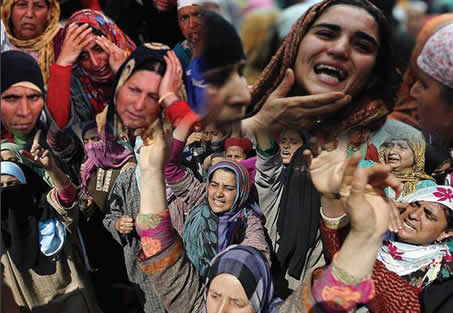
The declaration of Abdul Rashid Wani as legally dead by a Srinagar court after 28 years is not only a legal conclusion but also a reminder of the long-standing crisis of enforced disappearances in IoJK. For thousands of families, the question of survival of their loved ones remains unanswered for decades, creating a prolonged state of uncertainty that has deeply affected social and emotional life in the region.
Case of Abdul Rashid Wani and Judicial Findings
Abdul Rashid Wani, a resident of Madina Colony, Bemina in Srinagar, was taken into custody on July 7, 1997, by personnel of the 2/8 Gorkha Rifles in Rawalpora, Srinagar. Another detainee, Farooq Ahmad Butt, was later released, but Wani never returned home. After nearly 28 years of legal struggle, the Special Mobile Magistrate PT&E Srinagar, Massarat Jabeen, declared him legally dead following a civil suit filed by his wife, Farida Shabnum and his sons, Junaid Rashid Wani and Arsalan Rashid Wani. The judgment recorded that earlier inquiry findings and FIR-related investigations indicated that Wani had been killed in custody and his body disposed of. The court also noted that no evidence was presented by authorities to show that he had been released after detention, strengthening the legal presumption of death (The Hindu, 2026).
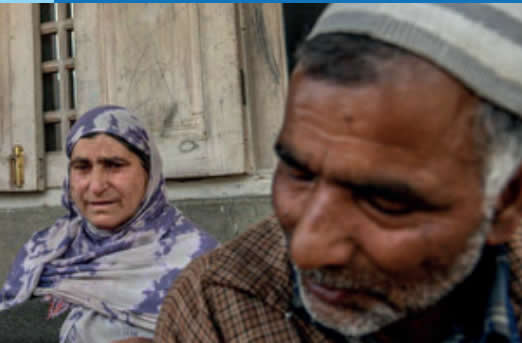
This case shows how families are forced to pursue justice for decades without clarity or closure. Wani’s wife repeatedly stated that he was taken in front of witnesses, while his children grew up without their father, carrying emotional and economic burdens throughout their lives. Their experience mirrors that of many other families across Kashmir who continue to search for missing relatives.
Pattern of Disappearances and Institutional Failure
The disappearance of Wani is not an isolated case but part of a broader pattern in IIOJK where individuals have allegedly gone missing after being taken into custody during military operations or interrogation. Many families have filed habeas corpus petitions, approached
police stations and sought judicial intervention, but outcomes have often been delayed or unresolved. In Wani’s case, a habeas corpus petition was filed in 1997, followed by a court-ordered inquiry and registration of an FIR at Police Station Parimpora. Despite these steps, no conclusive accountability followed for nearly three decades. Investigations remained incomplete and no prosecution was effectively carried forward, raising concerns about institutional failure in addressing custodial disappearance cases (Indian Express, 2026).
The absence of accountability has left families in prolonged psychological distress. Many continue to visit courts, police stations and detention centers in search of information. In numerous cases, official records are incomplete or missing, further complicating legal processes and prolonging uncertainty.
Human and Social Impact on Families
Enforced disappearances in IIOJK have created long-term humanitarian consequences. Families of the missing often experience:
• Continuous psychological trauma due to uncertainty about the fate of relatives
• Economic hardship due to loss of primary earners
• Legal complications in inheritance, property ownership and financial claims
• Social isolation, especially for women-headed households
• Interrupted education and unstable futures for children
In many households, belongings of missing persons are preserved for years in the hope of return. Mothers, wives and children often continue waiting despite the absence of official confirmation. This prolonged ambiguity creates emotional suffering that cannot be resolved
even after legal declarations of death. The Wani case highlights how children, who were only 10–11 years old at the time of disappearance, grew up without answers. Such cases underline how enforced disappearances affect entire generations, not just individuals.
Demand for Justice and Accountability
The declaration of legal death, while providing administrative closure, does not address the question of accountability. The court’s observation that Wani was likely killed in custody raises serious concerns, yet no effective prosecution or transparent investigation has been completed. Families argue that legal recognition without justice does not resolve their suffering.Human rights advocates continue to call for independent investigations, access to truth and prosecution of those responsible for custodial disappearances. They emphasize that enforced disappearance is not only a violation of the right to life but also a continuing violation until the fate of the missing person is clarified.
KILLINGS
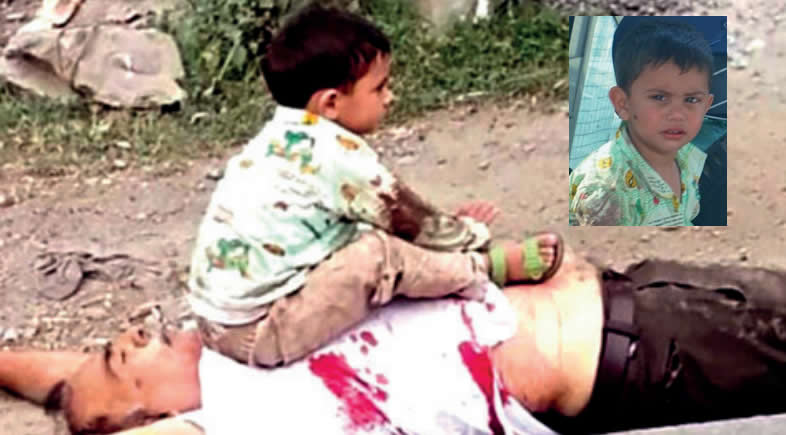
Extrajudicial killings in IoJK have remained a persistent human rights concern for decades, particularly in the context of prolonged militarisation, armed conflict and the use of sweeping security operations. These killings are generally reported to occur during cordon and-search operations, night raids and encounters that local communities and human rights observers frequently describe as “staged” or “fake encounters.” The central concern raised in such cases is the absence of due legal process, independent investigation and judicial oversight, which are core requirements under international human rights law.
In many reported incidents, individuals are killed during security operations in which they are initially detained or surrounded by forces and later found dead under contested circumstances. Families of victims and civil society groups often argue that these operations bypass legal safeguards such as arrest procedures, production before a magistrate and fair trial guarantees. The repeated occurrence of such incidents has contributed to long-standing mistrust between local populations and security institutions in the region. International legal frameworks, particularly the International Covenant on Civil and Political Rights (ICCPR), to which India is a party, require that the right to life be protected under law and that deprivation of life must not be arbitrary. Article 6 of the ICCPR obligates states to ensure that lethal force is used only when strictly unavoidable and subject to effective accountability mechanisms. Concerns arise when deaths occur in circumstances where independent verification is limited or where investigations are not perceived as transparent. Human rights organisations have repeatedly emphasized the need for impartial inquiries into extrajudicial killings in the region. The absence of prompt, independent and transparent investigations often deepens public suspicion and fuels further tensions. In several cases reported
by local and international observers, inquiries are either delayed or inconclusive and accountability for alleged excessive use of force remains limited.
Another dimension frequently highlighted is the broader militarised environment in which these incidents occur. The heavy deployment of security forces, combined with laws such as the Armed Forces (Special Powers) Act (AFSPA), has been cited by critics as contributing to a legal environment where accountability for security personnel is difficult to enforce. Provisions that grant legal immunity or require prior sanction for prosecution are often identified as structural barriers to justice. At the same time, official narratives typically describe these
killings as part of counter-insurgency operations against armed groups. Security agencies maintain that such operations are necessary to maintain law and order and combat militancy in a volatile region. This divergence in narratives between state security justifications and
local or rights-based accounts lies at the heart of the ongoing debate.
The impact of extrajudicial killings extends beyond individual cases. It contributes to psychological trauma, political alienation and cycles of protest and unrest. Families of victims often seek justice through protests, petitions and legal appeals, while civil society organizations
continue to call for demilitarisation, accountability reforms and independent monitoring mechanisms. While state authorities frame such operations within counter-insurgency requirements, human rights advocates emphasize the need for strict adherence to due process, transparency and accountability. The resolution of these concerns ultimately depends on strengthening legal safeguards, ensuring independent investigations and aligning security practices with international human rights standards.

ARBITRARY DETENTIONS
Between January and Apr 2026, Indian authorities conducted a sustained series of arrests and detentions across IoK. The pattern shows widespread use of preventive, anti-terror and public order laws, often during raids, cordon-and-search operations (CASOs), protests and
mass verification drives. Thousands of individuals were detained or booked under various legal frameworks, including the Public Safety Act (PSA), Unlawful Activities (Prevention) Act (UAPA), Armed Forces Special Powers Act (AFSPA)-enabled operations, NDPS Act and other preventive statutes (Kashmir Media Service, 2026). Rather than isolated incidents, these detentions show structured reliance on extraordinary laws that allow prolonged custody without immediate judicial oversight, frequent transfers to outside jails and prolonged legal uncertainty for detainees.

Use of “Black Laws” as Instruments of Detention
A defining feature of the January–Apr 2026 period is the extensive application of “black laws,” particularly:
1. Public Safety Act (PSA) – preventive detention without trial for extended periods (Kashmir Media Service, 2026)
2. Unlawful Activities (Prevention) Act (UAPA) – used in security-related cases with stringent bail conditions (Kashmir Media Service,
2026)
3. Armed Forces Special Powers Act (AFSPA) – enabling broad military powers during search and arrest operations (Kashmir Media
Service, 2026)
4. NDPS Act – used in narcotics-related arrests, often alongside security operations (Kashmir Media Service, 2026) These laws were repeatedly invoked during house raids, protest-related crackdowns, CASOs and mass detention drives. In several cases, individuals were detained without clear FIR details or were booked under broad preventive categories, leaving room for prolonged incarceration without immediate legal resolution.
Mass Detentions and Collective Punishment Patterns
The PSA and UAPA remained central tools of detention throughout the reporting period. Several individuals were booked under PSA even after court-related developments.
1. JKLF leader Zahoor Ahmad Butt was re-detained under PSA following a court-ordered release (Kashmir Media Service, 2026). Multiple detainees were transferred between jails across Jammu, Haryana and Rajasthan under preventive orders.
2. Under UAPA, arrests in Budgam, Srinagar, Ganderbal and other districts were justified on security grounds, while courts in several cases later found insufficient evidence (Kashmir Media Service, 2026).
3. In March 2026, more than 800 individuals were detained across multiple districts of the Kashmir Valley during operations following public demonstrations (Kashmir Media Service, 2026).
4. Earlier, in January, approximately 150 people were detained for alleged violations of internet restrictions, while more than 1,100 individuals were identified or booked in mass verification operations (Kashmir Media Service, 2026).
These cases highlight a recurring irony: individuals are detained for years under stringent laws, often losing significant portions of their lives, only to be released later due to lack of credible evidence. Despite acquittals, the prolonged detention itself becomes a form of irreversible punishment, affecting families, livelihoods and social standing.
High-Profile Political Detentions: Shabbir Shah and Aasiya Andrabi
1. Shabbir Ahmad Shah remained in detention for nearly eight years under multiple cases including UAPA and financial charges. In March 2026, he was granted bail in a money laundering case by the Patiala House Court after long custody in Tihar Jail (Kashmir Media Service, 2026). His continued detention in parallel cases kept him under prolonged incarceration despite partial judicial relief.
2. Aasiya Andrabi, head of Dukhtaran-e-Millat, was convicted in March 2026 under UAPA. The court sentenced her to life imprisonment, while Fahmeeda Sofi and Nahida Nasreen received 30 years of imprisonment each in the same case (Kashmir Media Service, 2026).
All three had been arrested in 2018 and remained in custody before sentencing. These cases show prolonged detention under UAPA followed by delayed judicial outcomes spanning years.
Ironies of Justice: Acquittals After Years of Detention
In March 2026, a Delhi court acquitted two Kashmiri youth after more than seven years in detention under UAPA charges, stating that prosecution evidence failed to establish guilt (Kashmir Media Service, 2026). In Apr 2026, three youth from Sopore were acquitted after
nearly six years in custody due to lack of sufficient evidence (Kashmir Media Service, 2026). These cases show individuals remaining in custody for years before courts clear them, making detention itself a prolonged punishment despite final acquittal. The period from January to Apr 2026 shows a continued reliance on PSA, UAPA, AFSPA-enabled operations and allied laws for mass detentions and extended custody in IoK (Kashmir Media Service, 2026). Large-scale arrests during protests, repeated CASOs and preventive booking drives continued across the region. Judicial outcomes in several cases, including bail and acquittals after years of detention, point to a gap between initial arrest and final court decisions. While authorities justify these measures on grounds of security, the scale of detentions, reliance on preventive laws and repeated judicial reversals indicate a pattern of legal exceptionalism. The continued use of such frameworks not only extends incarceration without timely trial but also raises fundamental concerns regarding due process, proportionality and the presumption of innocence.

PROPERTY ATTACHMENT AND CONFISCATION
The period from January to Apr 2026 reflects a continued pattern of property attachment, confiscation and demolition actions carried out in Indian-administered Jammu and Kashmir under various legal and administrative frameworks, including the Unlawful Activities (Prevention) Act (UAPA), Narcotic Drugs and Psychotropic Substances (NDPS) Act and public property enforcement laws. These measures have increasingly affected residential houses, agricultural land and commercial assets belonging to local residents across multiple districts, including Poonch, Kathua, Budgam, Shopian, Pulwama, Baramulla, Reasi and Srinagar.
In early January 2026, property attachments were reported in Poonch district, where land belonging to local individuals was seized under administrative orders linked to security legislation (The Hindu, 2026). Similar actions were recorded in Kathua, where multiple family-owned landholdings were attached, affecting several households simultaneously (Times of India, 2026). Reports indicate that such measures have expanded beyond individual cases to broader group-level attachments, including properties of families residing across border regions and displaced communities, resulting in significant disruption of civilian livelihoods. Throughout Feb 2026, enforcement actions intensified in central and southern districts of the region. In Budgam, a residential house was confiscated by police authorities, while in Kulgam and Bandipora, multiple commercial and residential properties were attached under provisions of the NDPS Act, citing alleged proceeds of unlawful economic activity (Indian Express, 2026). In Shopian, additional residential structures and land parcels were seized, reflecting a continued trend of property control measures affecting ordinary households (Hindustan Times, 2026). These developments indicate a systematic use of asset seizure laws extending into civilian residential spaces and local,economic infrastructure.
In March 2026, property attachment operations expanded further across Rajouri, Baramulla and Reasi districts. Several land parcels belonging to local residents were attached under various legal provisions, including public property recovery and security-related laws (Times of India, 2026). In Baramulla, multiple tracts of land belonging to individuals declared absentees or proclaimed offenders were seized in coordinated administrative actions. In Reasi, immovable property belonging to a local resident was attached under public property enforcement legislation, marking continued expansion of such measures into rural and semi-urban areas.
In Apr 2026, enforcement agencies, including the National Investigation Agency (NIA), intensified attachment operations in Pulwama, Budgam and Srinagar. In Pulwama, multiple residential properties were seized in connection with long-pending cases, while in Budgam and Srinagar, plots and houses worth significant monetary value were attached under investigation-based proceedings (The Hindu, 2026; Indian Express, 2026). These actions reflect an ongoing trend of property control measures targeting both residential and commercial
assets across the region.
The pattern of property attachment and confiscation during this period demonstrates a sustained reliance on legal and administrative instruments to seize civilian properties across Jammu and Kashmir. Human rights observers and local accounts suggest that such measures have had broad socioeconomic consequences, including loss of housing security, disruption of livelihoods and increased economic vulnerability among affected families. Critics argue that these practices contribute to a climate of fear and dispossession, particularly in areas already affected by long-standing political and territorial disputes.


CORDON AND SEARCH OPERATIONS (CASOS)
CASOs in IoK no longer function as ordinary policing measures. Indian occupation forces have transformed these operations into systematic siege-and-search campaigns aimed at controlling, intimidating and collectively punishing civilians. Entire villages remain surrounded for hours or even days while armed personnel block roads, raid homes, question residents and impose severe movement restrictions. CASOs have effectively become legalized instruments of occupation under draconian laws that provide sweeping powers and near-total impunity to occupation authorities. Civilians endure these operations as forms of psychological warfare rather than temporary security exercises.
Indian occupation forces routinely seal neighborhoods and convert civilian spaces into militarized zones under the pretext of “search operations.” On January 7, occupation personnel launched a large-scale CASO in Kahog village in Kathua district. Personnel from paramilitary units and the Special Operations Group carried out door-to-door searches while reinforcements tightened the cordon around residential areas (Greater Kashmir, 2026). Residents remained trapped inside their homes as gunfire and aggressive patrolling spread panic across the locality. Such operations rarely produce any transparent legal outcome, yet they leave communities traumatized and economically paralyzed.
The siege-and-search model expanded further on January 9 in Jammu district where Indian occupation forces launched extensive operations in the Sidhra forest belt ahead of Republic Day celebrations. Troops imposed area domination measures, intensified surveillance
and established additional checkpoints across adjoining areas (Daily Excelsior, 2026). Authorities often invoke “national security” to justify collective punishment of civilians. Checkpoints, frisking and surveillance operations disrupt daily movement and normalize military
intrusion into civilian life. Occupation forces deliberately maintain a climate of fear to discourage political dissent and weaken public resistance.
CASOs increasingly target urban populations as well. On Feb 13, Indian occupation forces carried out a massive search operation in Srinagar’s commercial hub of Lal Chowk. SOG personnel and other occupation units searched hotels and lodges, interrogated guests
and demanded identification documents from civilians (The Hindu, 2026). Traders, commuters and shoppers faced severe disruptions as military personnel occupied commercial streets and public spaces. Such operations demonstrate how occupation authorities extend
militarized control into every aspect of civilian life, including markets, hotels and educational institutions. Indian occupation forces also use CASOs to justify intrusive raids and destruction of private property. Search operations frequently involve forced entry into homes, ransacking household belongings and confiscating personal devices without judicial oversight. Residents in Baramulla reported harassment and intimidation after Indian police raided homes in Mirgund and Gund Khawaja Qasim on January 30. Personnel seized mobile phones, laptops and important documents while terrorizing family members during the raids (Kashmir Observer, 2026). These actions reveal that CASOs operate less as investigative procedures and more as tools of political repression. Large-scale coordinated operations across multiple districts further expose the punitive nature of CASOs. On January 29, Indian occupation forces intensified search operations simultaneously across Kupwara, Kishtwar, Doda, Kathua, Udhampur, Rajouri, Poonch and Samba districts (Greater Kashmir, 2026). Villages remained under heavy siege while troops conducted repeated searches and movement restrictions. Civilians often lose access to schools, workplaces and medical facilities during these operations. Continuous military presence transforms civilian areas into open-air detention spaces where ordinary activities become subject to occupation control.
The operation in Lawaypora on January 24 clearly reflected the siege mentality embedded within CASOs. Occupation personnel surrounded the locality and searched “all houses and open fields” under claims of suspicious movement (Daily Excelsior, 2026). Such operations treat entire communities as suspects. Residents often endure humiliation, threats and invasive questioning during prolonged searches. Many families also report damage to household property and destruction of personal belongings during these raids. Collective punishment
therefore becomes normalized through repeated siege-and-search operations. CASOs have evolved into a permanent architecture of domination in Indian-occupied Jammu and Kashmir. Indian occupation forces exploit extraordinary laws to institutionalize home invasions, arbitrary detentions, surveillance and intimidation under the guise of security management. These operations erode civilian dignity, destroy the sense of safety within homes and deepen the humanitarian crisis across the occupied territory. Siege-and-search operations do not protect civilians; instead, they sustain an environment of fear and coercion designed to suppress the Kashmiri people’s political aspirations and silence demands for self-determination.


ENVIRONMENTAL DEGRADATION AND ECOLOGICAL STRESS
Environmental degradation in IoK is increasingly connected with large-scale water diversion projects and infrastructure expansion in ecologically sensitive zones, particularly in the Jammu region. In Kathua district, the clearance of the Ujh Canal project has been approved
by central ministries, including the Ministry of Defence and Ministry of Home Affairs, with plans to divert water from the Ujh River system toward canal-based utilisation. The project is linked with broader regional development works such as the revival of the Ujh multipurpose scheme, widening of Dhar Road in Udhampur and proposed tunnel connectivity in nearby areas. Critics argue that such interventions may alter natural river flow patterns and intensify downstream water stress, especially in river systems historically contributing to cross-border hydrological networks. The development approach has raised concerns regarding ecological sensitivity in lower Shivalik catchments and
adjoining agricultural zones (The Hindu, 2026).
In urban and semi-urban belts of Jammu division, river pollution caused by unmanaged waste disposal continues to affect public health and water quality. In Chenani area of Udhampur district, residents protested against continuous dumping of garbage along the Tawi River, reporting contamination of drinking water supplies to Chenani and Udhampur towns. The issue has been associated with recurring outbreaks of jaundice, diarrhoea and skin infections among local populations, particularly during warmer months when water contamination intensifies. Protesters demanded relocation of dumping sites and implementation of scientific waste disposal systems, warning of potential highway blockades if authorities failed to respond. Despite repeated complaints, administrative action has remained
limited, indicating gaps in municipal enforcement capacity and environmental regulation in river-dependent settlements (The Indian Express, 2026).
In the Kashmir Himalaya, rising climate vulnerability has been observed in high-altitude glacial lake systems, where scientific assessments have identified at least five lakes at high risk of glacial lake outburst floods (GLOFs), including Bramsar and Chirsar. Experts warn that the risk of such floods in the western Himalaya could triple by 2100 due to accelerated glacier retreat and increasing glacial instability. These lakes pose threats to downstream infrastructure, including bridges, hydropower projects and densely populated settlements across multiple districts of the Kashmir Valley. Researchers from the University of Kashmir have highlighted that despite repeated warnings,preventive infrastructure such as early warning systems and continuous monitoring networks remains underdeveloped. The absence of timely intervention increases exposure to sudden flood events similar to those already observed in other Himalayan states, raising concerns over disaster preparedness in high-risk zones (The Times of India, 2026).
Long-term ecological decline in freshwater ecosystems is also evident in official audit findings covering multiple decades. According to the Comptroller and Auditor General of India, Jammu and Kashmir had 697 lakes in 1967, including 367 in Jammu and 330 in Kashmir. Out of these, 315 lakes have disappeared over time, including 259 in Jammu and 56 in Kashmir, resulting in a loss of 1,537.07 hectares of water area. In addition, 203 lakes have significantly shrunk, contributing to a further loss of 1,314.19 hectares as total lake area declined from
8,566.55 hectares in 1967 to 7,252.36 hectares in 2020. The report also notes that 63 lakes have lost more than half of their surface area, placing them at high risk of extinction, while only a small number remained stable or expanded. These changes indicate long-term stress on freshwater ecosystems across both Jammu and Kashmir regions (Comptroller and Auditor General of India, 2026).
Hydrological degradation in the region has also been associated with historical land-use changes and reduced natural water retention capacity, particularly in flood-prone valleys. Research cited in national reporting on the 2014 Kashmir floods indicates that shrinking wetlands and altered land-use patterns contributed to intensified flood impacts, as reduced lake and wetland area limited natural drainage absorption during extreme rainfall events. The floods resulted in widespread damage to housing, infrastructure and agricultural land
across multiple districts, exposing structural weaknesses in ecological planning and flood management systems. The event has since been referenced in environmental assessments as an example of how long-term wetland loss and unregulated development can increase vulnerability to climate-induced disasters in Himalayan terrain (Hindustan Times, 2026).
Broader environmental pressures in Jammu and Kashmir are also linked to biodiversity loss and ecosystem fragmentation across forested and mountainous regions. Reports indicate that infrastructure expansion, tourism pressure and unregulated land conversion have contributed to habitat disruption in several ecologically sensitive zones, including forest belts in central and southern Kashmir. Environmental monitoring assessments highlight that increasing human activity in fragile zones, combined with limited conservation enforcement, has affected wildlife corridors and reduced ecosystem resilience. These pressures are compounded by changing precipitation patterns and temperature rise, which together accelerate ecological stress across river basins, alpine meadows and forest ecosystems. Experts emphasize the need for integrated environmental governance to address cumulative ecological risks rather than isolated interventions,
particularly in regions already vulnerable to climate variability and terrain instability (India Today, 2026).
RESTRICTIONS ON RELIGIOUS PRACTICE AND ADMINISTRATIVE CONTROL
Religious freedom in IoK has been increasingly constrained through repeated restrictions on congregational worship, particularly at major mosques in Srinagar. The historic Jamia Masjid in the old city has remained central to these developments, where authorities have
frequently blocked access during Friday prayers and major Islamic occasions. In January 2026, senior religious leader Mirwaiz Umar Farooq was placed under house arrest, preventing him from leading Juma prayers at Jamia Masjid for the third consecutive Friday, despite scheduled congregational worship during an unusually dry winter season (The Indian Express, 2026). Worshippers gathered outside the mosque but were not allowed to enter and prayers were conducted under restricted arrangements. In Feb 2026, during Shab-e-Barat observance, authorities sealed Jamia Masjid shortly after evening prayers and deployed personnel outside the mosque to prevent night-long congregational worship. The Mirwaiz was again placed under house arrest, restricting his participation in religious gatherings and preventing his presence at one of the most significant Islamic occasions in the Valley (The Hindu, 2026). The closure affected large congregations that traditionally gather in Srinagar’s old city, where Jamia Masjid serves as a central
religious institution.
In March 2026, Eid-ul-Fitr prayers were barred at Jamia Masjid for the eighth consecutive year. The mosque gates were sealed early in the morning and security deployment was placed in surrounding areas to prevent entry of worshippers for Eid congregational prayers (The Times of India, 2026). The Mirwaiz was also placed under house arrest during the occasion, preventing him from delivering sermons or leading the Eid congregation. These repeated restrictions have disrupted long-standing collective worship practices during key Islamic
festivals.

Surveillance and Administrative Oversight of Religious Institutions
Alongside restrictions on mosque access, increased administrative monitoring of religious institutions and Imams has been reported across IoK. Authorities have initiated renewed documentation procedures involving mosque administrators, including collection of Aadhaar details, photographs and personal profiles of Imams. Religious representatives have raised concerns that such measures disproportionately target Muslim clerics and introduce heightened administrative scrutiny into mosque functioning (India Today, 2026).
In several areas of the Kashmir Valley, Imams and mosque committees have been required to submit identity documents and personal information for verification. These requirements have added procedural oversight to religious administration, affecting appointment and
functioning of religious leadership at local mosques (The Indian Express, 2026).
During Ramadan in March 2026, Jamia Masjid was again sealed and Mirwaiz Umar Farooq was placed under house arrest, preventing him from delivering sermons and participating in congregational worship. Movement restrictions were imposed in surrounding areas, limiting access for worshippers during Friday prayers and religious gatherings (The Hindu, 2026). These measures affected both religious leadership and collective participation at a major religious site. Further restrictions were imposed during occasions when religious gatherings were planned in solidarity with global Muslim communities. Authorities restricted access to Jamia Masjid and blocked movement in adjoining areas, preventing organized congregational expression at the central mosque in Srinagar (The Times of India, 2026). These actions included sealing access routes and limiting entry during prayer times.
Repeated closure of Jamia Masjid, combined with administrative oversight of Imams and mosque committees, has affected organized religious activity in Srinagar and surrounding districts. The combination of house arrests, mosque sealing and procedural monitoring has
created a structured system of control over religious practice in key urban centers of IoK.

and recognition of their nursing program. Students reported that the institution lacked proper approvals from regulatory councils, raising concerns about their academic future and degree validity. The incident intensified concerns about safety and institutional protection for Kashmiri students in external academic environments (The Indian Express, 2026).
Key incident details:
• 4 Kashmiri students injured in campus violence in Rajasthan
• Protest related to nursing program accreditation issues
• Concerns raised about validity of degree recognition
• Reported lack of effective administrative response during incident
• Increased insecurity among Kashmiri students outside IIOJK
Another major development affecting education access is the decline in Kashmiri student enrollment in Indian states outside IIOJK. Reports indicate that admissions in Uttarakhand alone fell by nearly 67 percent, decreasing from approximately 6,000 students to 2,000 students over a few years. This decline has been linked to rising insecurity, discrimination concerns and increased reluctance among students to pursue studies outside the region (The New Indian Express, 2026).
Key statistical trends:
• Kashmiri student enrollment in Uttarakhand dropped by 67 percent
• Numbers reduced from 6,000 to 2,000 students
• Increased reports of students shifting institutions or discontinuing studies
• Post-2019 environment linked with reduced mobility for higher education
• Academic Staffing Gaps and Digital Disruption
Within IIOJK’s internal education system, structural shortages in teaching staff have affected academic delivery, particularly in regional language instruction. Official data presented in the Kashmir Assembly revealed that out of 27 sanctioned posts for Kashmiri language lecturers, only 5 posts are currently filled, leaving 22 vacancies across nine districts. The shortage has resulted in uneven implementation of Kashmiri language teaching, with the subject not taught in Jammu division schools and limited staffing in the Valley. Although Kashmiri was introduced in primary and middle schools in the early 2000s and later expanded to higher secondary levels by 2018–19, recruitment has not matched policy expansion (The Hindu, 2026).
Key staffing details:
• Total sanctioned posts: 27 Kashmiri language lecturers
• Filled positions: 5 lecturers only
• Vacancies: 22 posts across 9 districts
• Kashmiri language not taught in Jammu division schools
• Expansion of subject without corresponding recruitment growth
Digital access has also become a critical barrier to education continuity. In March 2026, students reported disruption of academic activities due to internet suspension imposed across the region for several days. The restrictions affected online learning platforms, access to study material and completion of academic processes such as registration and assignments. Students noted that both slow and suspended internet services significantly disrupted their ability to participate in digital education systems, which have become essential for modern academic engagement (Hindustan Times, 2026).
Key impacts of internet disruption:
• Internet suspended for multiple consecutive days across IIOJK
• Disruption of online classes and virtual learning systems
• Limited access to study materials and academic portals
• Delays in registration and examination-related processes
• Increased dependence on unstable connectivity for education continuity
These developments show that education in IIOJK is influenced by overlapping administrative interventions, institutional restructuring, staffing shortages, mobility constraints and digital access limitations. The takeover of schools, shortage of language educators, reduced student mobility outside the region, incidents of violence affecting students abroad and recurring internet disruptions together create multiple pressures on the education system across districts such as Srinagar, Kishtwar, Kupwara and surrounding areas.
ECONOMIC PRESSURES AND LIVELIHOOD CHALLENGES
The economy of IoK continues to face pressure from political uncertainty, weak infrastructure connectivity, declining trade activity and policy decisions affecting local industries. Traders and business representatives in Jammu warned in January 2026 that proposals demanding a separate Jammu state would seriously damage economic stability and further weaken already strained commercial activity.
Business leaders stated that Jammu lacks sufficient independent resources and remains heavily dependent on trade connections, tourism flow, transport access and economic interaction with Kashmir. They argued that separation would deepen unemployment, reduce market circulation and harm regional trade networks that historically supported livelihoods across both regions (The Indian Express, 2026). The trading community also pointed to the economic losses caused after the cancellation of the Darbar Move, which had historically shifted administrative offices between Srinagar and Jammu. Traders stated that the suspension of the move negatively affected hotels, transport services, restaurants, retail businesses and daily wage earners in Jammu. They welcomed partial restoration efforts and stressed that economic recovery requires political stability, uninterrupted trade and restoration of statehood. Concerns were also raised over declining tourism support, reduced purchasing power and inadequate institutional assistance for local businesses.
Transport disruptions continue to create additional economic burdens. In January 2026, the Mughal Road connecting Rajouri and Poonch with the Valley remained closed for seven consecutive days because of snowfall, frost and slippery conditions. Simultaneously, the
Srinagar–Jammu highway experienced severe congestion at Balli Nullah, Dewal, Nashri-Dalwas, Maroog and Kishtwari Pather because of single-lane stretches and vehicle breakdowns (The Hindu, 2026). Since the Srinagar–Jammu highway functions as the principal all weather route linking Kashmir with external markets, repeated disruptions directly affect movement of agricultural produce, fuel supplies, medicines and essential commodities.
The horticulture sector, which supports millions of people in IIOJK, also faces uncertainty due to changing trade policies. Apple growers warned in Feb 2026 that tariff relaxations under the India–US trade framework could damage Kashmir’s apple economy by allowing cheaper imports of American apples, walnuts and almonds into Indian markets. Local growers stated that Kashmiri apples already face high transportation costs, weak storage infrastructure and market instability. They warned that subsidized foreign products entering the market at lower prices could reduce returns for local farmers and increase financial pressure on orchard-dependent families (The Times of India, 2026). Horticulture remains one of the largest employment-generating sectors in the region, making pricing instability a major livelihood concern.
Together, transport disruptions, uncertain market conditions, weakening trade activity and concerns over regional fragmentation continue to affect economic recovery in IIOJK. Local traders, transport workers, orchard owners and small business operators remain dependent on stable connectivity, functioning markets and uninterrupted movement of goods for long-term economic sustainability.
PUBLIC HEALTH CHALLENGES AND MEDICAL STRAIN
Public health indicators in IoK continue to show serious concerns affecting children, patients and healthcare workers. One of the most alarming findings emerged from the “Children in India 2025” report, which showed that 72.7 percent of children under the age of five in
IIOJK suffer from anaemia. The report identified anaemia among 73.9 percent of male children and 71.4 percent of female children, while rural areas showed a higher prevalence rate of 73.5 percent compared to 70.1 percent in urban areas (Hindustan Times, 2026).
Medical experts linked this condition to nutritional deficiencies, lack of iron-rich diets, poor feeding practices and dependence on staple grain-based food patterns. Doctors warned that untreated anaemia weakens immunity, delays physical growth, affects cognitive
development and increases vulnerability to infections among children. The high prevalence among rural populations further points to unequal healthcare access and nutritional challenges in remote districts.
Cancer cases are also increasing steadily across IIOJK. Official data released in Feb 2026 revealed that the territory now records an average of 38 new cancer detections every day. According to Indian Health Ministry data, 14,112 cancer cases were reported in 2024 alone, while total reported cases during the previous five years reached 67,037 (The Hindu, 2026). Hospitals across the region havereported increasing cases of lung cancer, breast cancer, gastrointestinal cancer, cervical cancer and blood cancers.

TERMINATION OF MUSLIM EMPLOYEES AND EMPLOYMENT MARGINALIZATION
Dismissals, Administrative Actions and Job Insecurity
The termination of government employees in Indian illegally occupied Jammu and Kashmir (IIOJK) has continued since the revocation of the region’s special status in August 2019, with dismissals increasingly carried out under security-related provisions and anti-terror laws.
In January 2026, the administration under Lieutenant Governor Manoj Sinha dismissed five government employees from different districts of IIOJK. Those terminated included Mohammad Ishfaq, a school teacher; Tariq Ahmad Rah, a laboratory technician; Bashir Ahmad Mir, an assistant lineman; Farooq Ahmad Butt, a Class IV forest department employee; and Mohammad Yousuf, a driver in the Health and Medical Education Department (The Hindu, 2026).
These dismissals were carried out without conventional departmental proceedings publicly detailed in the reports. The employees belonged to various sectors including education, health, electricity and forest services. Critics argued that such actions have contributed to a growing atmosphere of insecurity among Muslim employees working in government institutions across the territory. Another round of dismissals took place in March 2026 when three Jal Shakti Department employees — Showkat Ahmad Zargar, Liyaqat Ali Bhagwan and Kousar Hussain Bhagwan — were removed from service under provisions linked to the Unlawful Activities (Prevention) Act (UAPA). The dismissed workers belonged to South Kashmir’s Islamabad district and Kishtwar district. Official orders accused them of “pro-freedom” and “anti-India” activities (The Indian Express, 2026).
The dismissals generated concern among civil society groups and employees’ associations because anti-terror provisions were used directly against serving government workers. The All Parties Hurriyat Conference described the action as a violation of fundamental rights, while observers warned that such dismissals increase fear among employees regarding freedom of expression and political opinion.
Key dismissed employees in 2026 included:
1. Mohammad Ishfaq – School teacher
2. Tariq Ahmad Rah – Laboratory technician
3. Bashir Ahmad Mir – Assistant lineman
4. Farooq Ahmad Butt – Forest department employee
5. Mohammad Yousuf – Driver, Health and Medical Education Department
6. Showkat Ahmad Zargar – Jal Shakti Department employee
7. Liyaqat Ali Bhagwan – Jal Shakti Department employee
8. Kousar Hussain Bhagwan – Jal Shakti Department employee
The dismissals occurred alongside wider employment instability affecting daily wagers and temporary workers across several departments. In Feb 2026, Srinagar Municipal Corporation employees staged protests demanding release of unpaid salaries and regularization of daily
wagers. Workers stated that months of delayed wages had pushed many families into financial distress, affecting payment of rent, school fees and household expenses (Hindustan Times, 2026). Municipal workers stated that despite maintaining sanitation and civic services in Srinagar, they continued to face salary delays and uncertainty regarding job regularization. Protesters warned that failure to address their grievances could intensify demonstrations in coming months.
In Jammu, Public Health Engineering (PHE) employees also protested against failure of authorities to fulfill previous assurances regarding regularization and job security. Protesters gathered at the Old Chief Engineer Office on BC Road and demanded implementation of commitments made to workers serving for years under temporary arrangements (The Tribune, 2026). Employees criticized the lack of progress despite promises regarding committee formation and policy review for daily wagers. Demonstrators emphasized that workers in essential public departments continued to operate without permanent employment protection or secure wage structures.
Similar concerns emerged among National Health Mission (NHM) employees in Srinagar during a 48-hour sit-in protest held in Apr 2026. Employees demanded pay revision, social security benefits and a stable employment policy. Protesters stated that despite working on the
front lines of healthcare delivery during emergencies, they continued to face uncertain wages and lack of institutional protection (Greater
Kashmir, 2026).
27HUMAN RIGHTS REPORT
Large demonstrations were also held in Kathua district where daily wagers from engineering and non-engineering departments demanded implementation of the Minimum Wages Act and regularization. Participants included Midday Meal cooks, CPW workers, ASHA workers,
Anganwadi workers, Home Guards, SPOs and PHE employees. Protesters stated that years of service had not translated into job stability or adequate wages (Rising Kashmir, 2026). Unemployment, Economic Exclusion and Muslim Representation
Alongside dismissals and employment insecurity, unemployment among educated youth continues to remain one of the major economic challenges in IIOJK. Official figures released in Feb 2026 revealed that nearly 3.57 lakh educated youth remain unemployed across the territory. Government departments and public sector undertakings continue to carry tens of thousands of vacant posts without recruitment (The Times of India, 2026). The data showed major shortages across different recruitment categories:
Vacant Posts Under Direct Recruitment
• 3,808 Gazetted posts
• 22,501 Non-Gazetted posts
• 12,751 Multi-Tasking Staff (MTS) posts
Vacant Posts Under Promotion Quota
• 6,409 Gazetted posts
• 24,451 Non-Gazetted posts
• 5,473 MTS posts
Vacancies in Public Sector Undertakings
• 89 Gazetted posts
• 7,010 Non-Gazetted posts
• 709 MTS posts
The territory’s economy remains heavily dependent on government employment because of limited industrial growth and weak private sector opportunities. Delayed recruitment, large-scale vacancies, dismissals and temporary employment arrangements have together
increased uncertainty among educated youth. Employment-related concerns have also extended beyond IIOJK. In Feb 2026, the Maharashtra government abolished the 5 percent reservation quota for Muslims in government and semi-government jobs and educational institutions through a Government Resolution. Opposition leaders described the move as discriminatory and harmful to educational and employment access for Muslim communities (The Hindu, 2026).
The combination of dismissals, delayed salaries, temporary employment structures and rising unemployment has created increasing economic pressure on Muslim employees and educated youth. Across education, healthcare, engineering, civic services and public administration, workers continue to demand secure employment policies, wage protection and transparent recruitment mechanisms amid growing uncertainty regarding long-term job security.
PRESS FREEDOM, SURVEILLANCE & INTIMIDATION OF JOURNALISTS
Police Summons, Surveillance and Restrictions on Reporting
Journalism in IoK has increasingly operated under conditions of surveillance, intimidation and repeated police intervention. In January 2026, at least six journalists were summoned by police following reporting related to the profiling of mosques and Imams in Kashmir.
Among them was senior journalist Bashaarat Masood of The Indian Express, who was reportedly called to Srinagar’s cyber police station over four consecutive days and pressured to sign a bond under Section 126 of the Bharatiya Nagarik Suraksha Sanhita (BNSS), 2023
(Newslaundry, 2026). Masood stated that he was made to sit for nearly 15 hours over four days and was later taken before a magistrate where police attempted to obtain a surety bond. He refused to sign, stating that he had committed no offence. Hindustan Times reporter Ashiq Hussain also reportedly received oral summonses, while several other journalists from national and local media were similarly questioned.

Kashmir Times editor Anuradha Bhasin rejected the allegations and described the raid as an attempt to silence independent journalism. The newspaper had already suspended its print edition during 2021–22 after continued administrative and financial pressure. Authorities had also banned Bhasin’s book A Dismantled State before the raid.
Press Freedom Concerns and International Attention
Journalists and press organizations increasingly warned that the media environment in Kashmir has become shaped by fear, self censorship and legal pressure. Several reporters stated that journalists covering routine developments often face questioning and police scrutiny, making investigative reporting increasingly difficult. DIGIPUB News India Foundation stated that the repression initially targeting local Kashmiri journalists had expanded to national media reporters and freelancers. The Editors Guild of India also criticized the use of arbitrary summonses and police questioning of journalists, stating that such practices amount to intimidation and coercion against the press (The Hindu, 2026).
'
Despite election promises related to press freedom, journalists criticized the continued closure of the Kashmir Press Club, whose registration had been suspended after a forcible takeover in 2022. Reporters stated that the former press club building had effectively been converted into a police-controlled facility, while independent media spaces continued to shrink. Several journalists described growing psychological pressure on families and increasing self-censorship among freelancers because of fear of legal action or detention. Some journalists reportedly spent time in prison, faced travel bans, or left the profession entirely because of insecurity and surveillance pressures.
International press freedom indicators have also highlighted concerns regarding media conditions in India and Kashmir. In the 2025 World Press Freedom Index, India ranked 151st out of 180 countries, with concerns raised regarding political interference, media control and pressure on journalists (Reporters Without Borders, 2025). The combination of police summonses, cyber surveillance, confiscation of devices, raids on media institutions, pressure to sign legal bonds and monitoring of journalists has created a restrictive reporting environment in IIOJK. Local and national journalists continue to face increasing difficulties while reporting on political developments, religion, security issues and civil rights in the region.
SO-CALLED DEVELOPMENT AND ITS IMPACT ON KASHMIRIS
Indian authorities continue to promote large infrastructure and development projects in Indian illegally occupied Jammu and Kashmir (IIOJK) as evidence of progress and modernization. On the ground, however, many Kashmiris argue that these projects are increasing economic insecurity, weakening local livelihoods, displacing vulnerable communities and widening social inequalities. Several recent incidents from 2026 show how development initiatives are being implemented without meaningful consultation with affected populations, while basic economic and housing issues remain unresolved.
Development Projects and Threats to Local Livelihoods
In Feb 2026, residents and traders in Katra, Reasi district, staged protests against the proposed Vaishno Devi ropeway project. Protesters warned that the ropeway would damage the traditional economy built around pilgrimage travel and local transport services. Shopkeepers,
pony owners, small vendors, porters and workers associated with the pilgrimage route expressed fears that the project would transfer economic benefits away from local communities and toward large contractors and politically connected business interests. Demonstrators also accused authorities of ignoring public concerns and proceeding without proper consultation with stakeholders who depend on
pilgrimage-related income for survival (Greater Kashmir, 2026).
The protesters openly criticized BJP MLA Baldev Sharma and alleged that political interests were influencing decision-making related to the ropeway project. Residents argued that development policies were being designed without considering their social and economic consequences. The demonstrations highlighted growing resentment among local populations who believe that major projects are being imposed in the name of tourism and modernization while ordinary Kashmiris bear the economic costs. The controversy surrounding the ropeway project shows how infrastructure expansion can disrupt traditional economic systems in mountainous regions where thousands of families rely on small-scale tourism activities. For many workers in Katra, the proposed ropeway
threatens years of accumulated income networks linked to manual transport, local lodging, roadside businesses and pilgrimage assistance services. Residents warned that such projects may generate profits for corporations while reducing employment opportunities for local people who have historically depended on religious tourism for their livelihoods.
Poverty, Homelessness and Economic Hardship
The gap between official development narratives and actual living conditions became more visible in Apr 2026 when government figures revealed that more than 500,000 families in IIOJK are either homeless or landless. According to data presented in the legislative assembly, 502,930 families were identified as eligible for housing assistance under the Pradhan Mantri Awas Yojana-Gramin (PMAY-G) through the Awaas+ 2024 survey. These figures exposed the scale of poverty and housing insecurity in the territory despite repeated claims of unprecedented development and prosperity by the Indian government (The Hindu, 2026). The disclosure raised serious questions regarding the effectiveness of centrally sponsored development schemes in the occupied territory. If over half a million families continue to lack adequate shelter, it indicates deep structural economic problems affecting large sections of the population. Local residents stated that unemployment, inflation, rising prices and declining economic opportunities have pushed many households into severe hardship. Many families struggle to access basic necessities despite continuous announcements regarding investment and infrastructure growth.
The housing crisis also demonstrates how development priorities often focus on high-visibility projects while neglecting essential welfare needs such as affordable housing, employment generation, healthcare access and rural support systems. In many districts, people continue to face poor living conditions, insecure incomes and weak public infrastructure despite large government spending announcements. Critics argue that development has increasingly become centered on political messaging rather than long-term social
welfare and inclusive economic planning.
Horticulture Sector Under Pressure
The destruction of over 400 apple trees in Kaharwat village of Kulgam district in Apr 2026 further exposed the vulnerability of Kashmir’s rural economy. Farmers reported that unknown persons entered a private orchard overnight and cut down hundreds of mature apple trees,
destroying a major source of livelihood for local growers. The orchard had reportedly produced around 80 crates of apples during the previous season, making the losses economically devastating for the affected family (Rising Kashmir, 2026). Apple cultivation remains one of the most important sectors of Kashmir’s economy, particularly in south Kashmir, where horticulture supports thousands of families directly and indirectly. Farmers emphasized that the damage was not temporary because apple trees require years to mature before becoming commercially productive. The destruction therefore represented not only immediate financial loss but also the collapse of future income opportunities for the growers involved.
The incident created widespread concern among horticulturists who already face increasing pressures from rising production costs, unpredictable weather conditions, weak infrastructure, transportation difficulties and market instability. Rural communities argued that the horticulture sector, despite being repeatedly described as the backbone of Kashmir’s economy, continues to suffer from inadequate protection and insufficient institutional support.
Economic Exclusion Behind Development Narratives
Many Kashmiris increasingly believe that so-called development policies are benefiting outside investors and politically connected groups more than local populations. Large infrastructure projects, tourism expansion plans, land-use changes and administrative restructuring have generated fears regarding economic displacement and loss of local control over resources. Communities dependent on agriculture, horticulture, transport, handicrafts and pilgrimage economies often feel excluded from planning processes that directly affect their livelihoods.
At the same time, persistent poverty, unemployment, housing shortages and weakening rural economic conditions continue to affect ordinary residents. Development announcements are frequently accompanied by claims of transformation and prosperity, yet many
families continue to struggle with debt, declining income and lack of economic security. The contrast between official narratives and ground realities has created growing public frustration across different parts of IIOJK. The events witnessed during 2026 indicate that many development initiatives in IIOJK are being viewed not as instruments of public welfare but as policies that deepen economic insecurity and marginalization. Protest movements, housing statistics and damage to local livelihoods demonstrate that many Kashmiris continue to face serious socio-economic challenges despite repeated promises of progress and modernization.


Related Reports